
Grub Control in Lincoln, NE
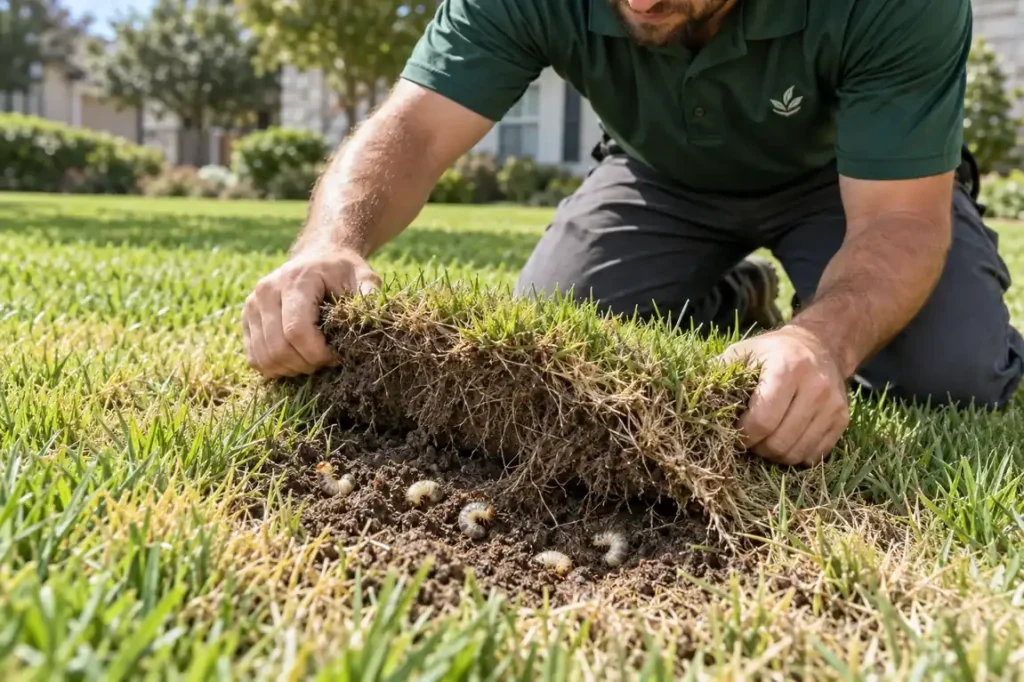
Spongy turf that peels back like carpet, and brown patches that show up out of nowhere in late summer, are the classic signs of white grubs feeding on your roots. By the time damage is visible, the grubs are already mature and the season’s growth is gone. We apply grub control on a preventive schedule, before eggs even hatch, so it never gets that far.
What’s Actually Eating Your Lawn
“White grub” isn’t one insect, it’s the larval stage of several different scarab beetles. In Nebraska, the most common and damaging are the masked chafer (also called the June beetle) and, less commonly, the Japanese beetle. Masked chafers are native to Nebraska, so finding one or two grubs while digging in your yard is completely normal and doesn’t need treatment.
Threshold for real damage: 8 to 10 grubs per square foot. Below that, your lawn’s own root system can outgrow the feeding pressure. Above it, you’ll see visible thinning.
The Life Cycle, and Why Timing Matters
- Late June – early July: Adult beetles emerge from the soil and start appearing around outdoor lights at night
- After mating: Females tunnel a few inches into soil and lay eggs
- 14 to 18 days later: Eggs hatch into the new generation of grub larvae, typically early July
- Late summer – fall: Young grubs feed actively on grass roots, this is when damage shows up
- Winter: Grubs move deeper into the soil to survive the cold
- Spring: Grubs move back up and resume feeding briefly before pupating into adults
The grubs you find in early spring are last year’s generation, mature and hard to kill, and they’re finishing up rather than starting fresh damage. That’s why spring treatment is largely a waste of money.
Preventive vs. Curative Treatment
| Approach | Timing | How It Works |
|---|---|---|
| Preventive | Late June – July, before or just after egg hatch | Targets newly hatched larvae when they’re smallest and most vulnerable. Most reliable method. |
| Curative (rescue) | August – September, once damage is visible | Targets larger, more mature grubs. Requires stronger products and faster action once damage starts. |
Preventive is what we recommend for any Lincoln lawn with a history of grub damage. Waiting for symptoms means the damage is already done and you’re playing catch-up instead of protecting the lawn.
Products We Use, and Why
| Active Ingredient | Approach | Notes |
|---|---|---|
| Chlorantraniliprole | Preventive | Very low toxicity to pollinators, excellent on young grubs |
| Clothianidin | Preventive | Reliable against newly hatched larvae |
| Imidacloprid | Preventive | Widely used, most effective on small grubs, weaker on mature ones |
| Trichlorfon | Curative | Best rescue option once grubs are large and damage is visible |
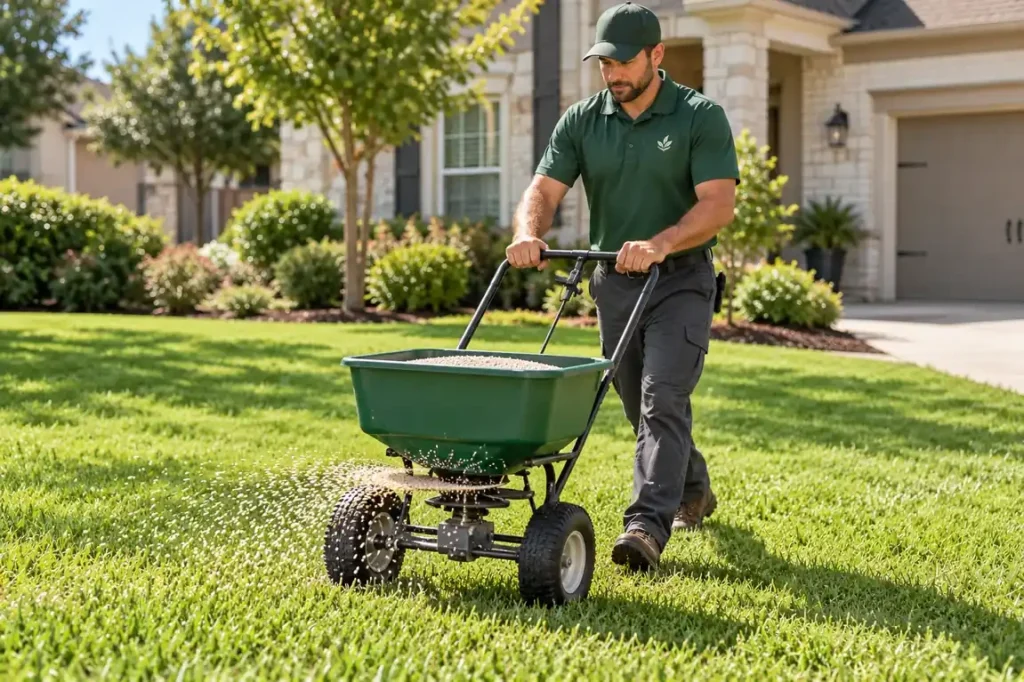
Watering in matters as much as the product. Every grub treatment needs about half an inch of water within a day or two of application to carry the active ingredient down into the root zone where the grubs actually feed. Skip the watering and you materially cut the effectiveness, regardless of which product went down.
How to Tell If It’s Actually Grubs
Grub damage gets blamed for a lot of brown patches that are actually drought stress or disease. Here’s the real test:
- Try the tug test. Grab a handful of the affected turf and pull. Healthy grass resists. Grub-damaged turf lifts up loosely, like a carpet, because the roots are gone.
- Check for animal digging. Skunks, raccoons, and birds tearing up patches of lawn, especially in September and October, is a strong sign of grubs, they’re digging for the same fat larvae we’re trying to prevent.
- Peel back a suspect area and count grubs per square foot. Fewer than 5 is generally not worth treating. 8 to 10 or more justifies action.
- Location matters. Damage is worst in hot, sunny, well-drained areas, south-facing slopes and open lawn rather than shaded spots.
Grub Control Pricing in Lincoln
| Lawn Size | Preventive Treatment | Curative (Rescue) Treatment |
|---|---|---|
| Up to 4,000 sq ft | $50 – $65 | $70 – $90 |
| 4,000 – 6,000 sq ft | $65 – $80 | $90 – $110 |
| 6,000 – 9,000 sq ft | $80 – $100 | $110 – $135 |
| 9,000 – 12,000 sq ft | $105 – $130 | $140 – $170 |
Preventive treatment is cheaper and more effective than waiting for damage, which is why we push clients toward the June application if their lawn has any history of grub trouble.
Get My Free QuoteGrub Control FAQs
When is the best time for grub control in Lincoln, NE?
Late June through July for preventive treatment, which targets the new generation of grubs right as eggs hatch. If damage is already visible, curative treatment in August or September is still an option but is a rescue measure, not prevention.
I found grubs in my yard in spring. Do I need to treat now?
Usually not. Spring grubs are last year’s mature generation finishing up before they pupate into beetles. They’re doing minimal additional damage at that point and are also the hardest stage to kill. Preventive treatment in June targets the next generation while it’s small and vulnerable.
How many grubs mean I have a real problem?
The general threshold is 8 to 10 grubs per square foot. One or two is normal, even in a healthy lawn, and doesn’t need treatment.
Do grub treatments hurt bees or other pollinators?
Some grub products are neonicotinoids, which can pose pollinator risk if misapplied, such as spraying on blooming clover or flowering weeds. We apply to turf only, follow label timing, and can discuss lower-risk options like chlorantraniliprole if pollinator exposure is a concern on your property.
Can I just repair the damaged patches instead of treating for grubs?
You can, but if the underlying grub population isn’t addressed, the same areas typically get damaged again next year. We treat the cause and repair the patches together for a lasting fix.
Does watering my lawn attract grubs?
Moist soil does make conditions more favorable for egg-laying females, but the answer isn’t to stop watering, it’s to treat proactively if your lawn has a history of grubs. Healthy, properly irrigated turf also recovers from light grub feeding much better than a stressed lawn.
Will one grub treatment last the whole season?
Yes, one correctly timed preventive application in June or July typically covers the full season, since it targets the single generation that hatches in early July.
You Might Also Need
 Lawn Mowing
 Fertilization & Weed Control
 Aeration & Overseeding
 Crabgrass Prevention
 Spring Cleanup
 Fall Cleanup
 Snow Removal
 Lawn Care Programs & Pricing
 Dethatching
 Lawn Disease & Fungus Treatment
 Lawn Repair & Bare Spot Repair
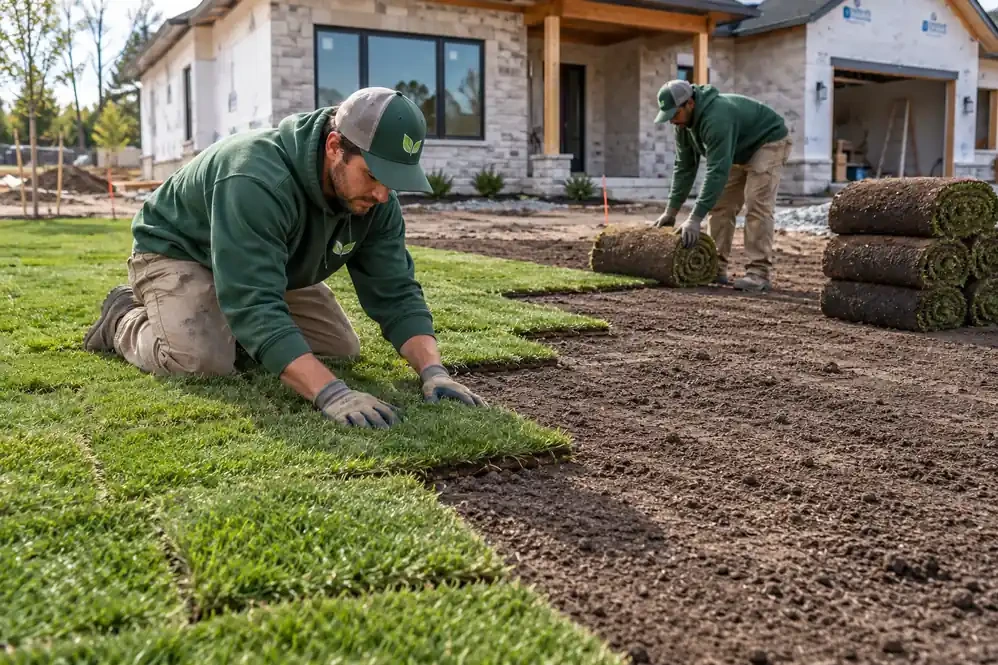 New Lawn & Sod Installation
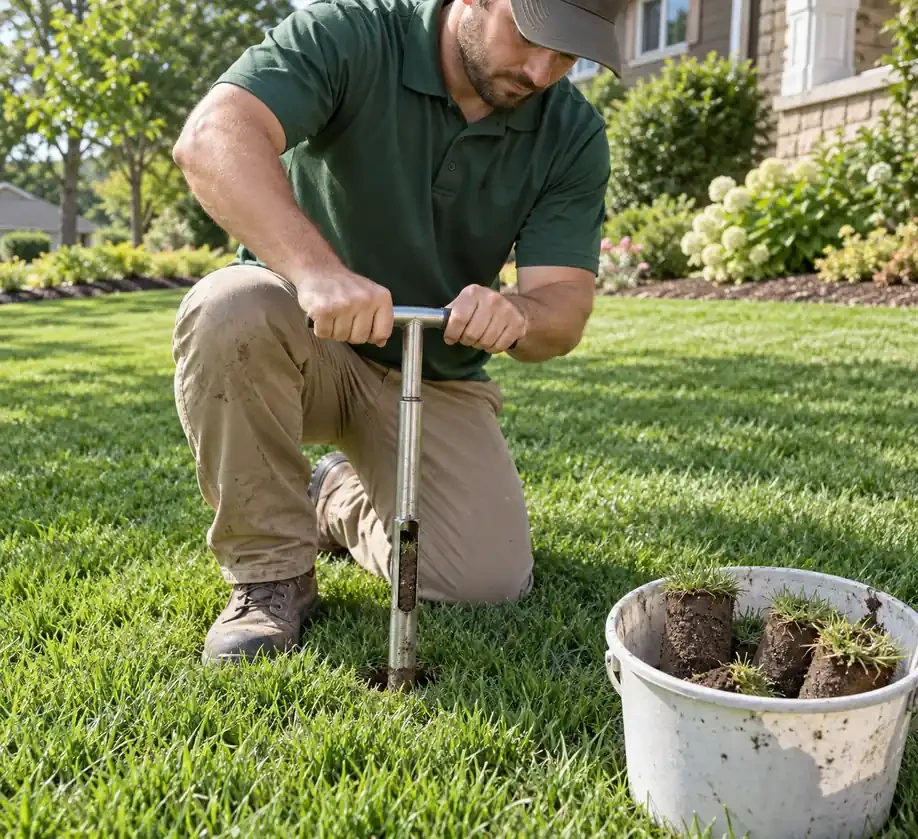 Soil Testing & pH Management
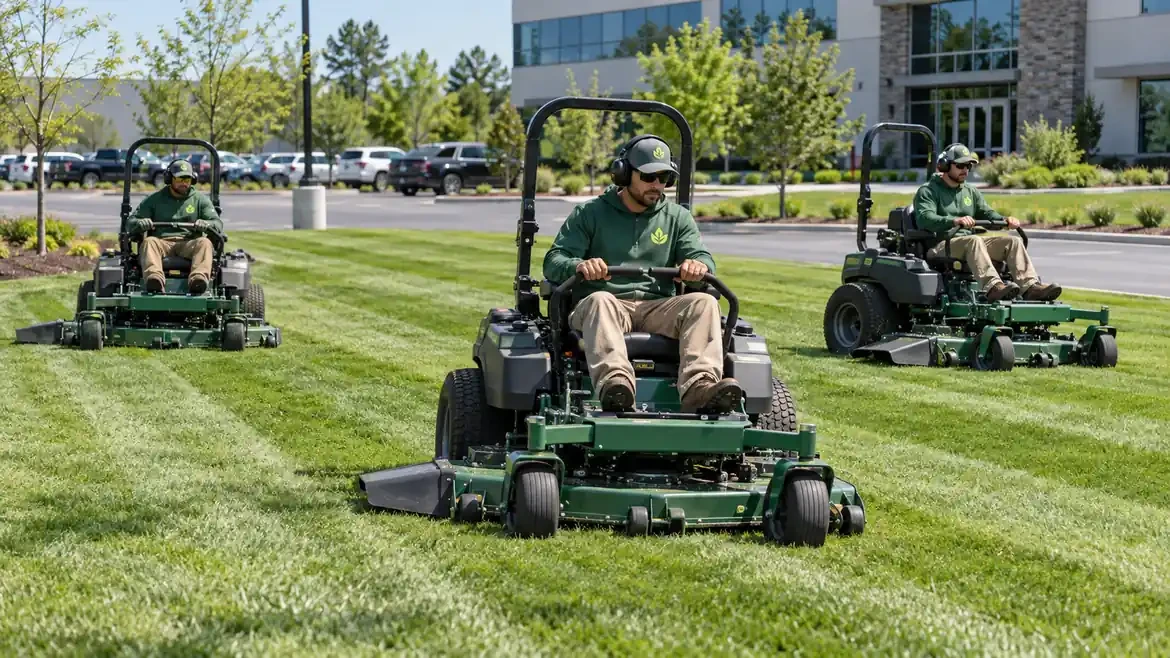 Commercial Lawn CareLawn MowingFertilization & Weed ControlAeration & OverseedingCrabgrass PreventionSpring CleanupFall CleanupSnow RemovalLawn Care Programs & PricingDethatchingLawn Disease & Fungus TreatmentLawn Repair & Bare Spot RepairNew Lawn & Sod InstallationSoil Testing & pH ManagementCommercial Lawn Care
Don’t Wait for Brown Patches to Find Out You Have Grubs
Get your free preventive quote.