Lawn Dethatching in Lincoln, NE
If your lawn feels spongy underfoot, absorbs water poorly, or looks patchy despite regular care, a thick thatch layer is often the real cause. We remove built-up thatch so water, air, and nutrients can actually reach the soil, and we time it to when your Nebraska lawn recovers fastest. Most Lincoln dethatching jobs run $65 to $180 depending on lawn size and thatch depth.
What Thatch Actually Is
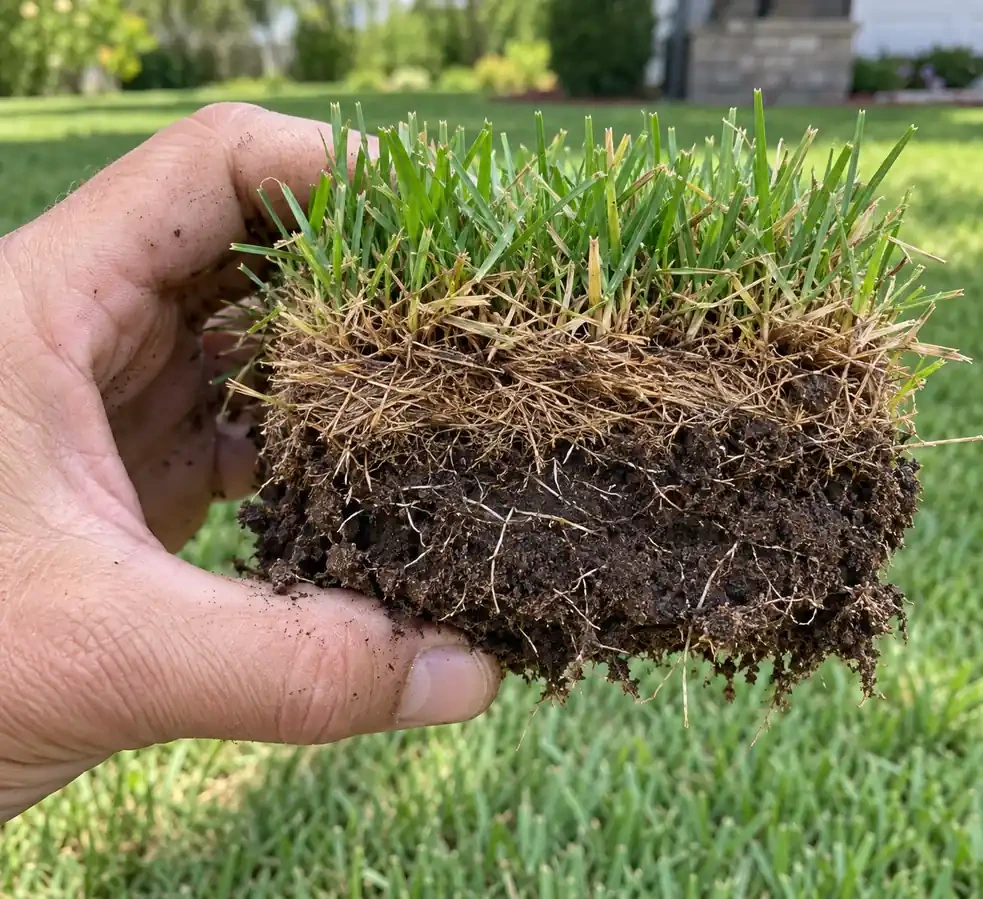
Thatch is a layer of dead stems, roots, and organic matter that builds up between the soil surface and the green grass blades. It’s not the same as loose grass clippings, and it doesn’t come from mulching correctly, it forms slowly over seasons regardless.
A thin layer of thatch is actually healthy. Up to about half an inch insulates the soil against temperature swings and helps retain moisture. The problem starts once it builds past that point.
How to Tell If Your Lawn Needs It
To check, cut a small wedge out of your lawn with a spade or trowel down to the soil and look at it from the side. The tight, brown, matted layer between the green grass and the soil is your thatch. If it’s thicker than a pencil, it’s worth addressing.
| Thatch Depth | Condition | Action Needed |
|---|---|---|
| Under 1/2 inch | Healthy, provides insulation | None |
| 1/2 to 1 inch | Starting to interfere with water and nutrients | Light dethatching recommended |
| Over 1 inch | Blocking water, air, and fertilizer from the roots | Dethatching needed |
Other signs: water pooling on the surface instead of soaking in, a soft or bouncy feel when you walk on the lawn, and grass that looks patchy even though you’re watering and fertilizing on schedule.
What Causes Excess Thatch
- Overwatering, which speeds up growth faster than soil microbes can break down dead material
- Over-fertilizing, especially heavy nitrogen without a balanced program
- Mowing too high or infrequently, letting more organic material accumulate
- Not returning clippings properly or leaving heavy clumps that mat down
Notably, mulching clippings correctly does not cause thatch. Grass clippings are mostly water and break down quickly. Thatch comes from stems and roots, not leaf blades.
How We Dethatch a Lincoln Lawn
| Method | Best For | Notes |
|---|---|---|
| Thatching rake | Small areas, light thatch | Manual, precise, good for spot treatment |
| Power rake | Moderate to heavy thatch (over 3/4 inch) | Motorized tines pull thatch to the surface |
| Verticutting | Severe buildup (over 1 inch) or renovation prep | Most aggressive option, deepest reach |
We match the tool to your lawn’s actual thatch depth rather than defaulting to the most aggressive method every time. Overly aggressive dethatching on a lawn that doesn’t need it can damage healthy turf.
When We Dethatch in Lincoln
Timing matters more than the tool. Dethatching stresses the lawn temporarily, so it needs to happen when the grass is actively growing and can recover quickly.
| Season | Suitability | Notes |
|---|---|---|
| Early fall (late Aug – Sept) | Best window | Cool temps, active growth, pairs directly with overseeding |
| Early spring (April) | Good alternative | Works if done before heat stress arrives |
| Summer | Avoid | Heat and drought stress slow recovery significantly |
| Late fall / winter | Avoid | Dormant grass can’t recover before frost |
Fall is the window we recommend for most Lincoln lawns, since it lines up directly with the same August 15 to September 15 window that’s ideal for overseeding.
Why Dethatching and Aeration Work Together
These two services solve related but different problems, and doing them together is more effective than either alone:
- Dethatching removes the surface barrier of dead organic material
- Aeration relieves the deeper problem of compacted clay soil
On a Lincoln lawn with both heavy thatch and compaction, dethatching first opens the surface, then aeration reaches the deeper soil issue. Following both with overseeding gives new grass seed direct soil contact with none of the barriers in the way.
What Happens After Dethatching
- Your lawn will look worse before it looks better. Pulled-up thatch debris sitting on the surface is normal and gets removed or composted
- Water your lawn thoroughly right after service to help it recover
- This is the ideal moment to overseed thin areas, since the surface is freshly opened
- Avoid heavy foot traffic for a week or two while the lawn recovers
Dethatching Pricing in Lincoln
| Lawn Size | Thatching Rake (Light) | Power Rake/Verticut (Heavy) |
|---|---|---|
| Up to 4,000 sq ft | $65 – $85 | $95 – $120 |
| 4,000 – 6,000 sq ft | $85 – $105 | $120 – $145 |
| 6,000 – 9,000 sq ft | $105 – $130 | $145 – $175 |
| 9,000 – 12,000 sq ft | $135 – $160 | $180 – $220 |
Bundled with aeration and overseeding in the same fall visit, dethatching is typically discounted versus booking it as a separate appointment.
Get My Free QuoteDethatching FAQs
How do I know if my lawn actually needs dethatching?
Cut a small wedge down to the soil and check the thatch layer. Under half an inch is healthy and needs nothing. Over an inch means water and nutrients are being blocked and dethatching will help. A spongy feel underfoot and water pooling on the surface are also strong indicators.
How often does a Lincoln lawn need dethatching?
Most established lawns need it every 2 to 3 years, not annually. Lawns with a history of overwatering, heavy fertilization, or that were seeded with thatch-prone grass types may need it more frequently.
Will dethatching hurt my lawn?
Done at the right time of year and with the right tool for your actual thatch depth, no. Done in summer heat or with overly aggressive equipment on a lawn that only has light thatch, it can cause unnecessary stress. That’s why we assess thatch depth before choosing a method.
Should I dethatch or aerate first?
Dethatch first if you’re doing both. Removing the surface thatch layer first lets the aerator’s tines penetrate more effectively into the actual soil.
Does mulching my clippings cause thatch?
No. Grass clippings are mostly water and break down quickly, they don’t build thatch. Thatch comes from stems, roots, and crowns, which build up regardless of what you do with your clippings.
Can I just overseed without dethatching first?
If thatch is over half an inch, new seed mostly lands on the thatch layer instead of soil and struggles to germinate. Dethatching first gives seed the direct soil contact it needs.
You Might Also Need
 Lawn Mowing
 Fertilization & Weed Control
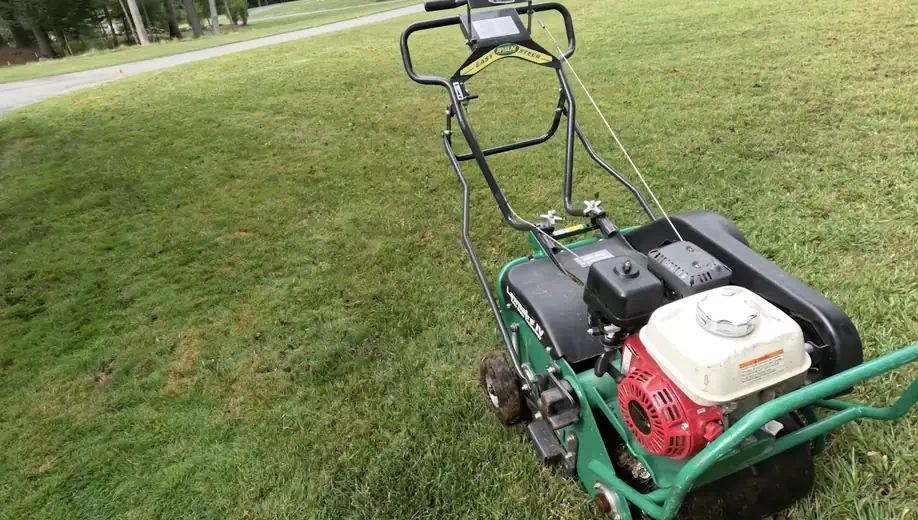 Aeration & Overseeding
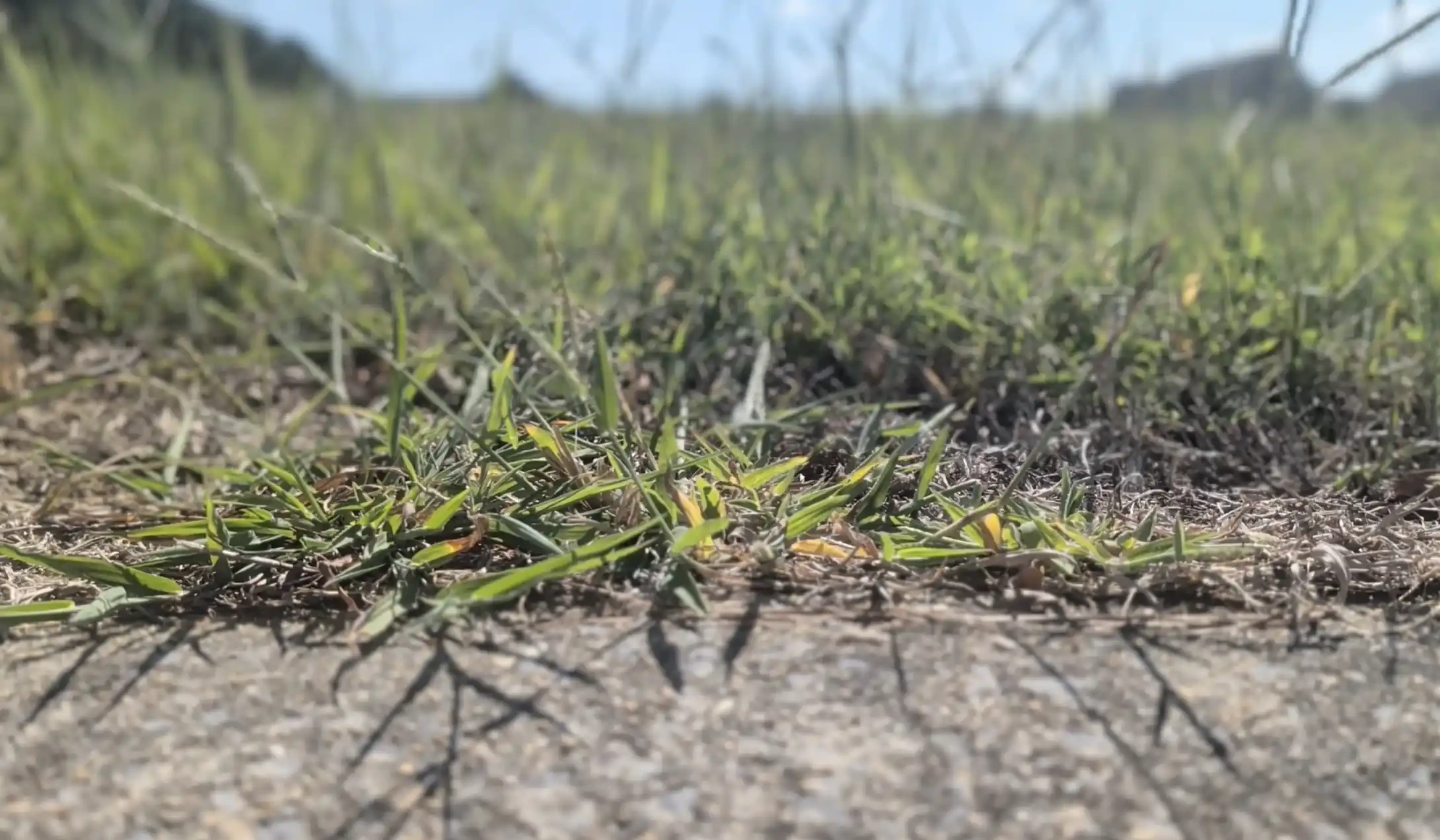 Crabgrass Prevention
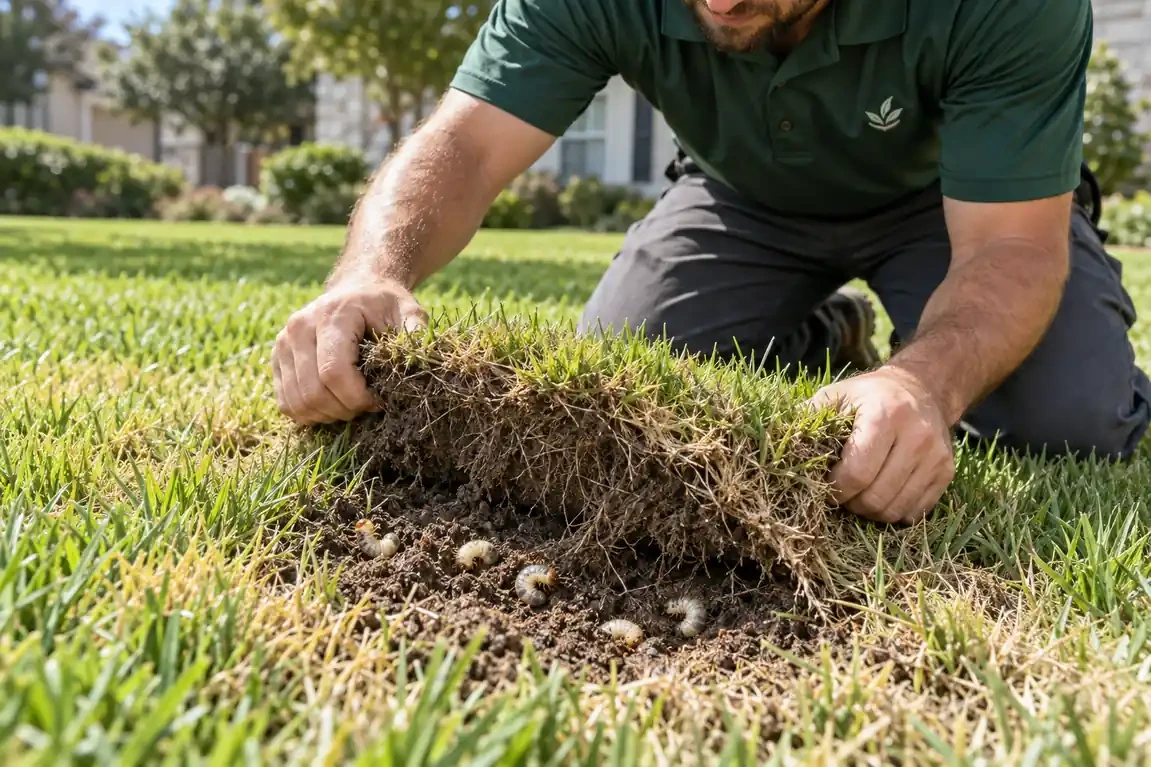 Grub Control
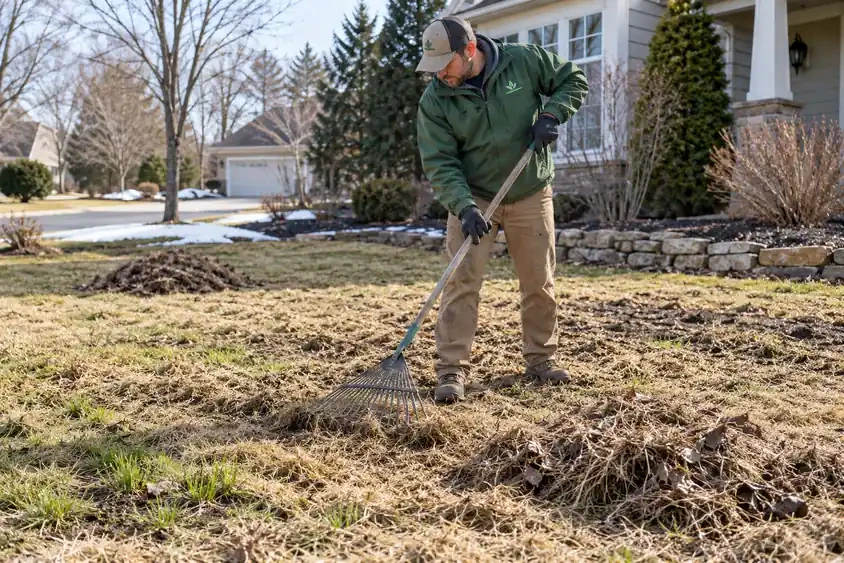 Spring Cleanup
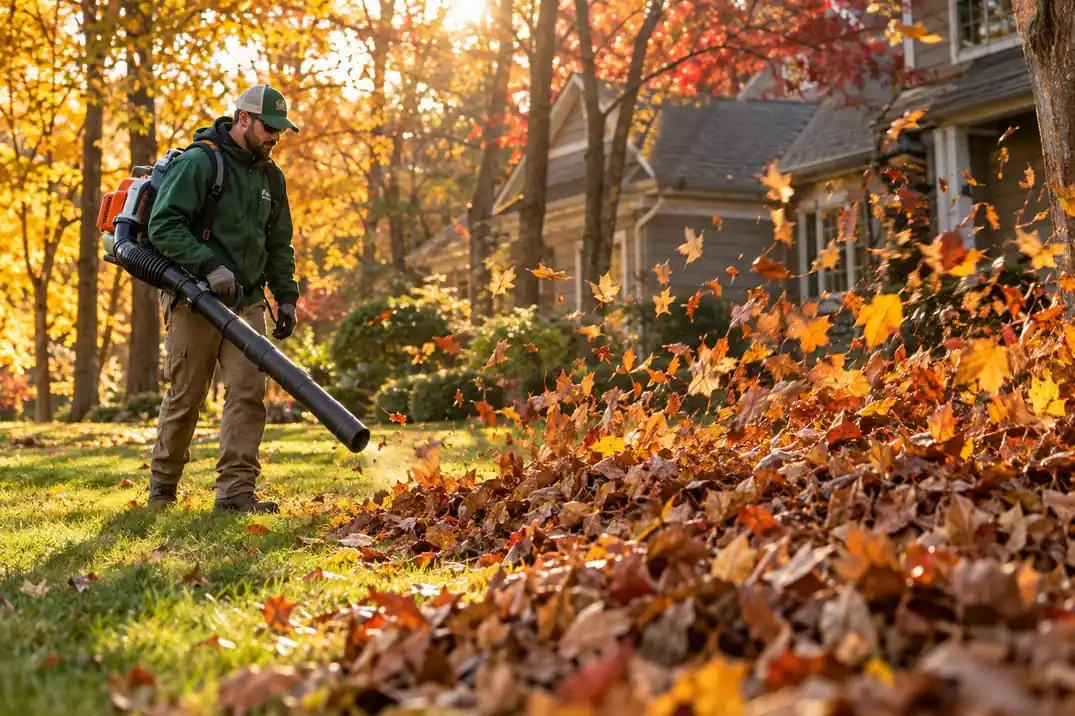 Fall Cleanup
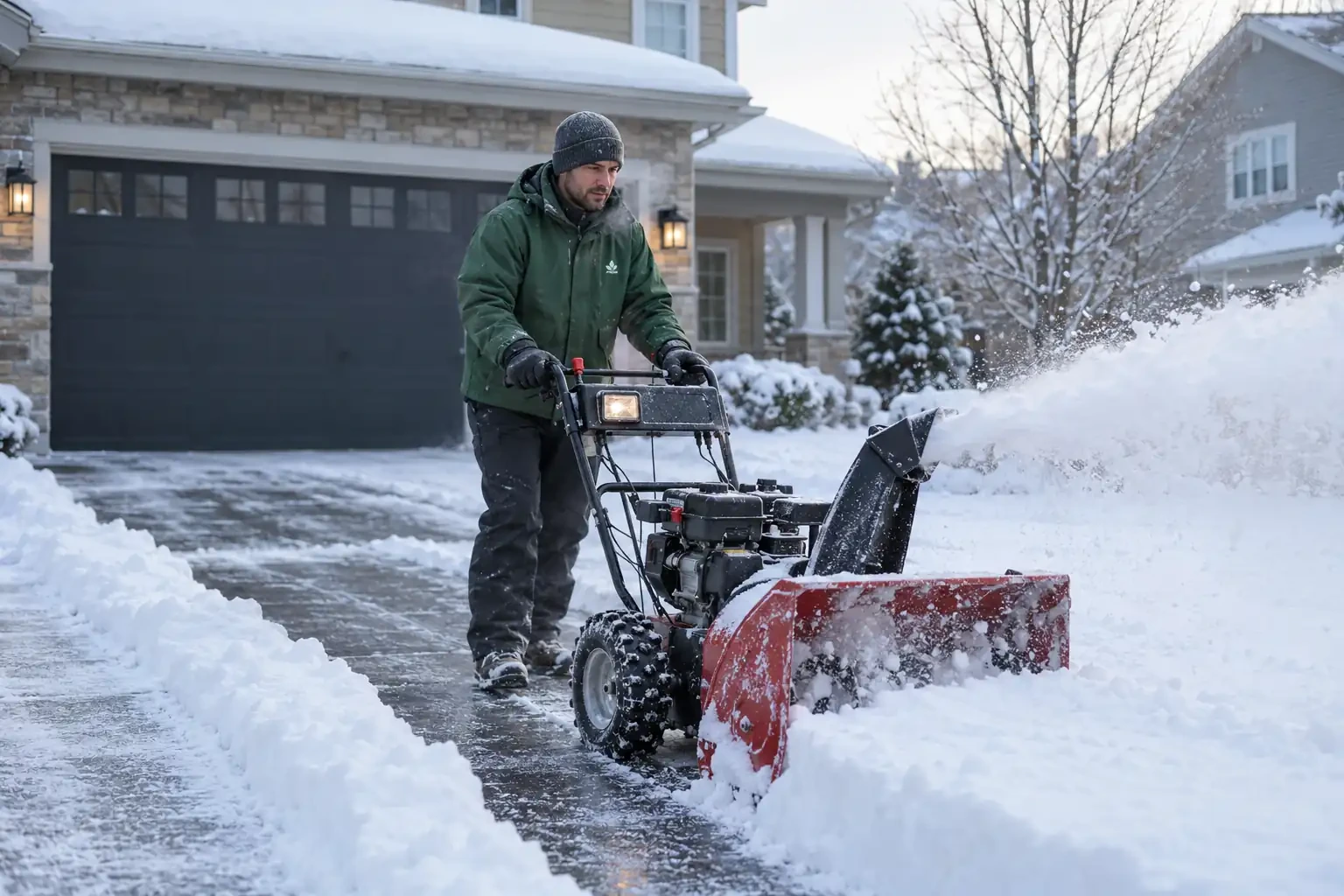 Snow Removal
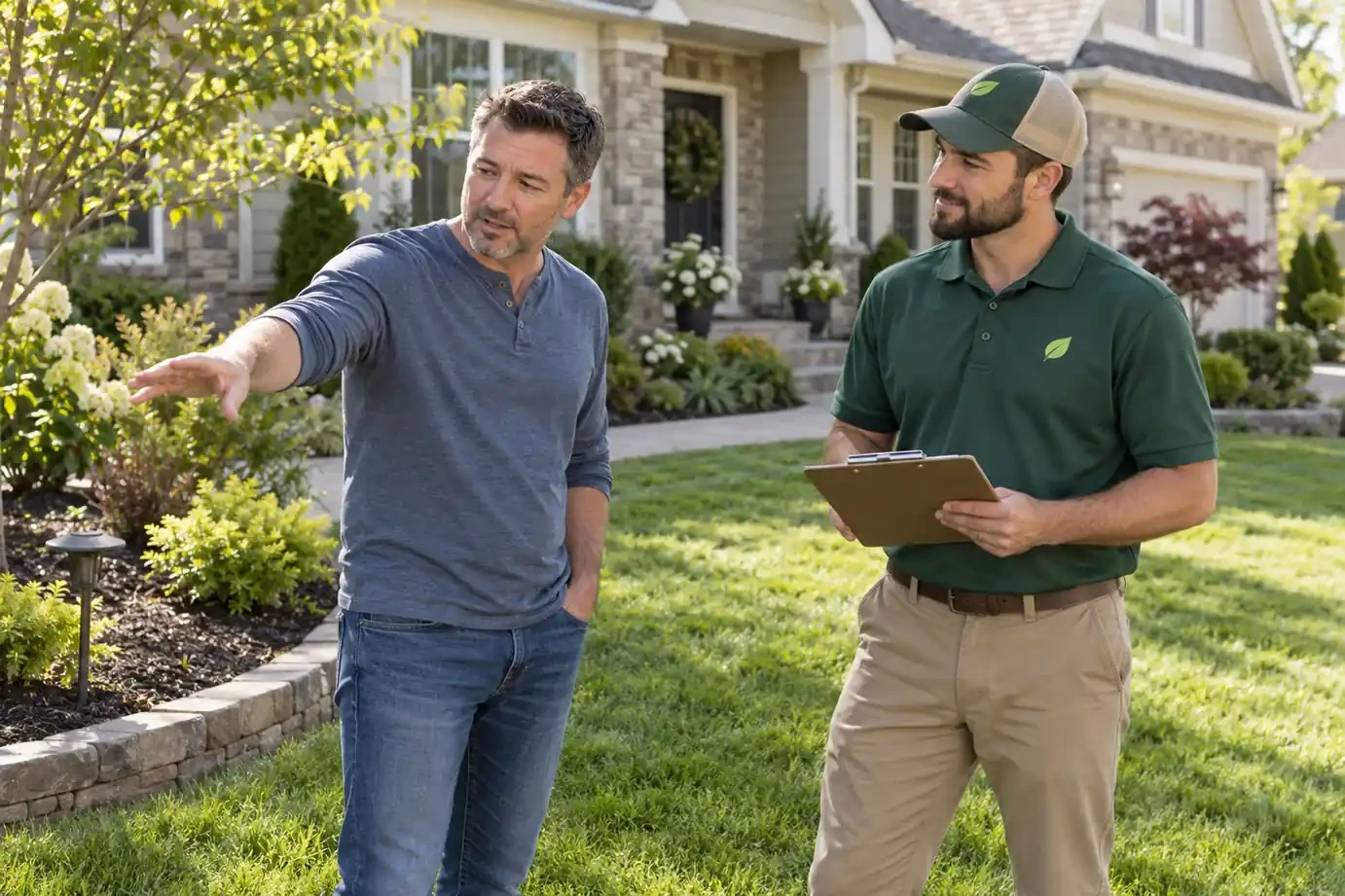 Lawn Care Programs & Pricing
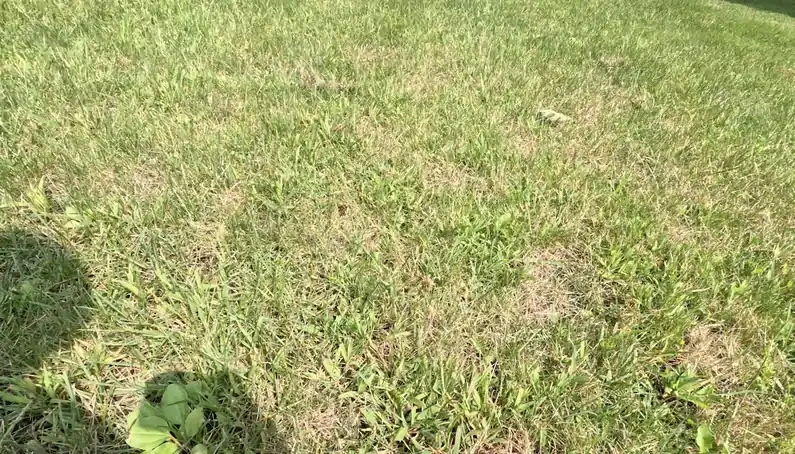 Lawn Disease & Fungus Treatment
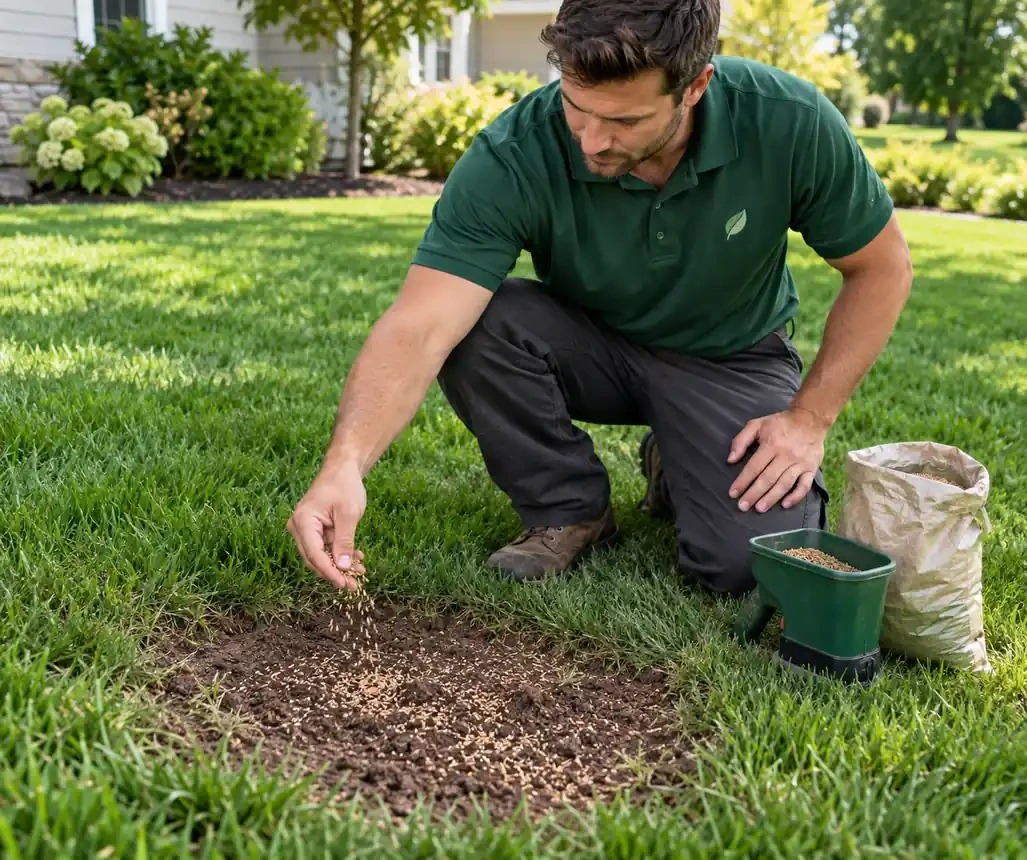 Lawn Repair & Bare Spot Repair
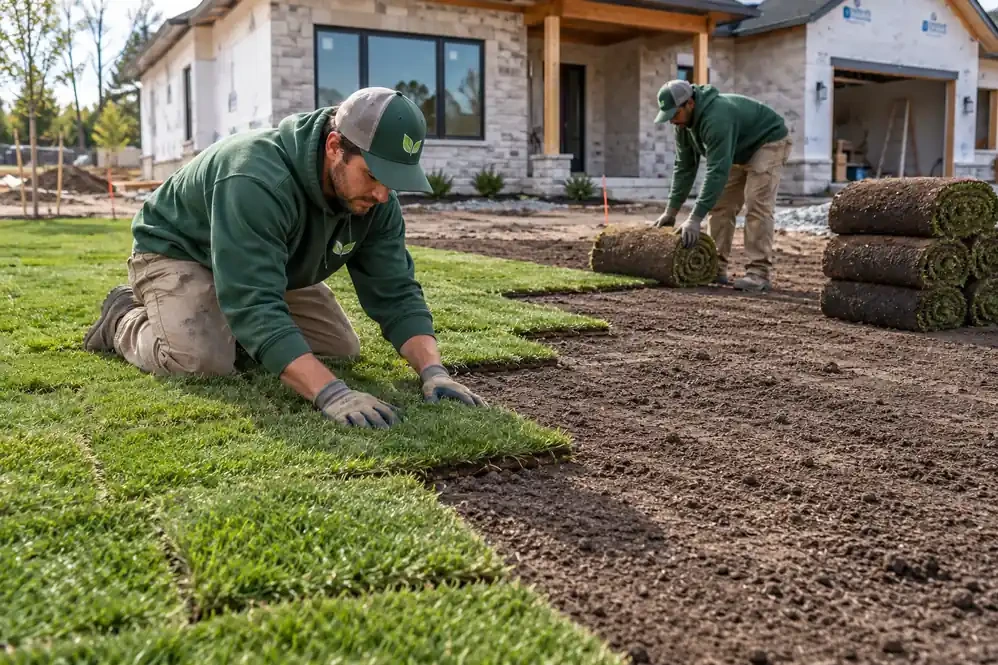 New Lawn & Sod Installation
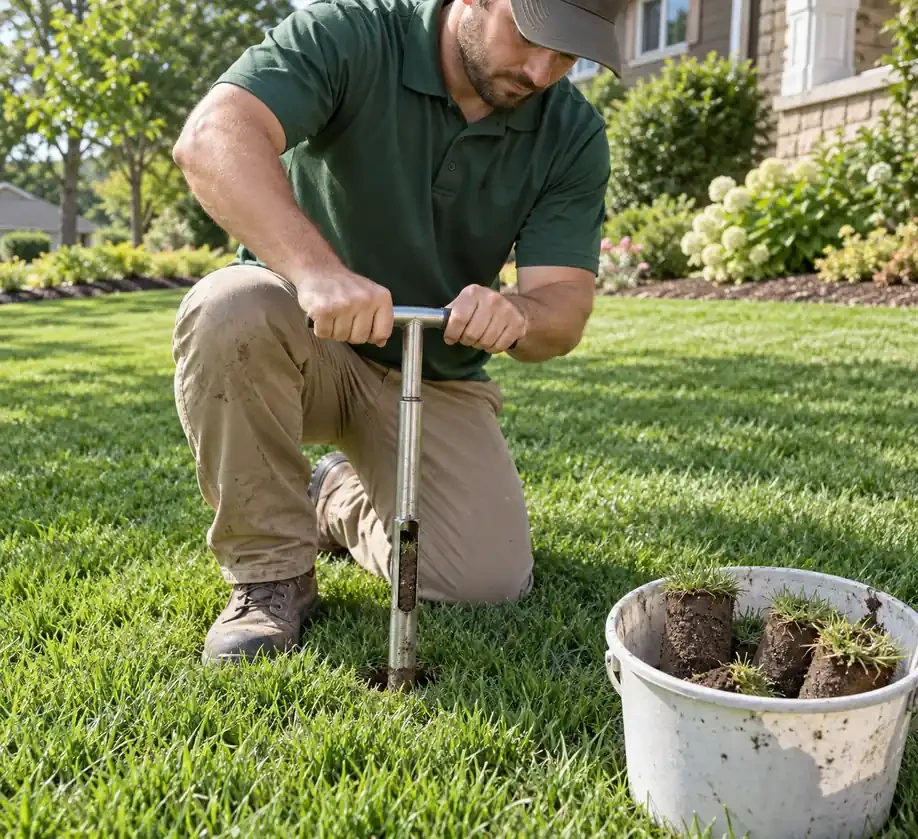 Soil Testing & pH Management
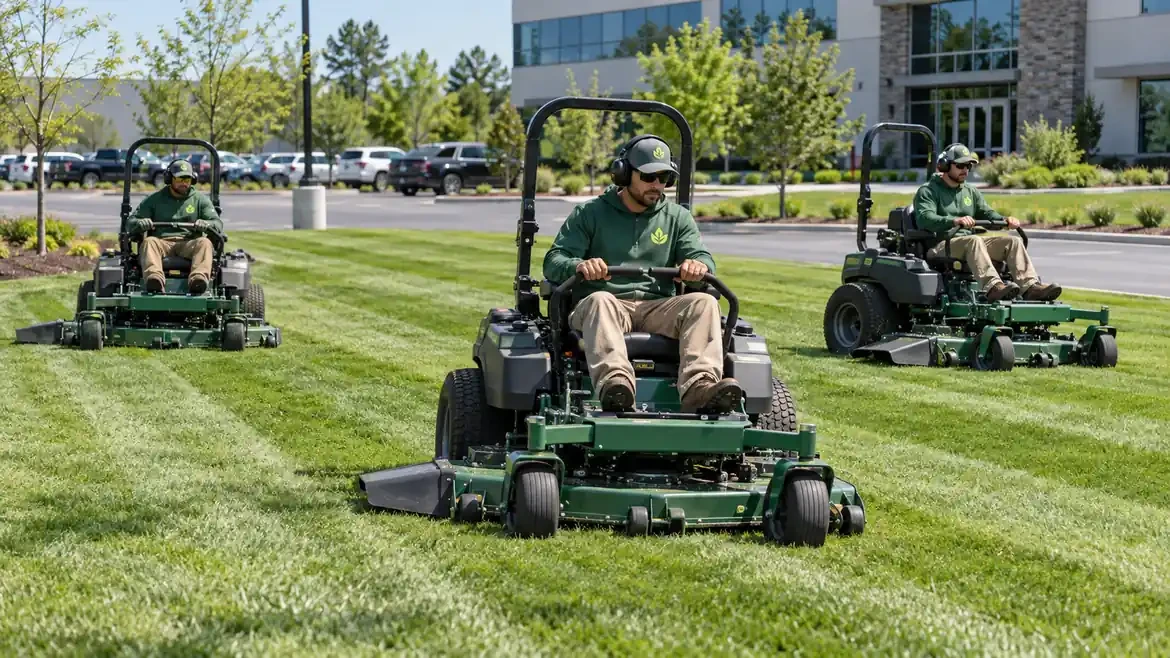 Commercial Lawn CareLawn MowingFertilization & Weed ControlAeration & OverseedingCrabgrass PreventionGrub ControlSpring CleanupFall CleanupSnow RemovalLawn Care Programs & PricingLawn Disease & Fungus TreatmentLawn Repair & Bare Spot RepairNew Lawn & Sod InstallationSoil Testing & pH ManagementCommercial Lawn Care
Notice Your Lawn Feels Spongy or Drains Poorly?
Get your free dethatching quote.