Crabgrass Prevention in Lincoln, NE
Crabgrass is the single most common lawn complaint in Lincoln, and almost every case comes down to one thing: timing. Pre-emergent has to go down before crabgrass seed germinates, not after. We track actual soil temperature instead of a fixed calendar date, so your barrier is in the ground exactly when it needs to be. If crabgrass already got past you, we also handle rescue treatment on what’s already growing.
Why Pre-Emergent Timing Is Everything
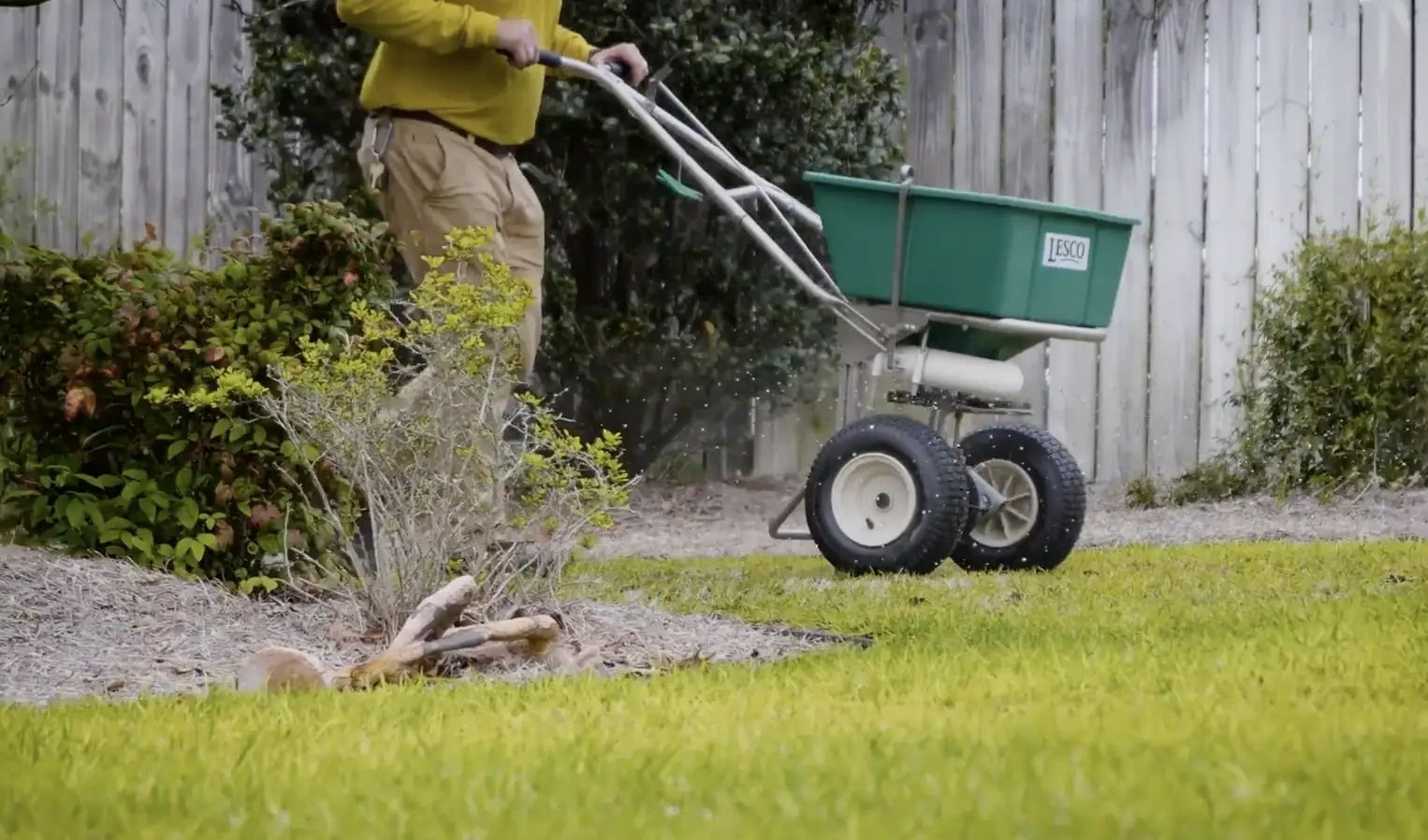
Crabgrass is an annual weed. It germinates from seed every spring, grows all summer, and dies with the first hard frost, dropping thousands of new seeds into your soil before it goes. Pre-emergent herbicide doesn’t kill crabgrass. It forms a chemical barrier in the top layer of soil that stops the seed from ever sprouting. Miss the window and that barrier is useless, because the seed is already up and growing.
The trigger is soil temperature, not the date on a calendar. Crabgrass germinates once soil holds at roughly 50 to 55°F at a 2-inch depth for several consecutive days. In Lincoln, that typically falls late March to mid-April, but Nebraska springs swing hard year to year. A warm March can pull that window two to three weeks earlier than a cold one.
We monitor local soil temperature data rather than applying on a fixed date like “April 1 every year.” That single habit is the difference between a clean lawn all summer and fighting crabgrass from June onward.
Local field indicator: when forsythia shrubs start blooming around Lincoln, soil temperatures are typically in range for crabgrass germination. Not a precise measurement, but a genuinely useful visual cue.
One Application Usually Isn’t Enough
This is where a lot of DIY pre-emergent fails. Most pre-emergent products break down and lose effectiveness after 6 to 10 weeks. Nebraska’s crabgrass germination window stretches from spring well into early summer, so a single April application can wear off before the germination period ends, especially along sidewalks, driveways, and thin turf where crabgrass pressure is highest.
Split application schedule we use in Lincoln:
| Application | Timing | Purpose |
|---|---|---|
| First | Late March – mid-April, at 50–55°F soil temp | Primary barrier before germination starts |
| Second | Late May – early June | Extends the barrier through the full germination window |
Lawns with a history of crabgrass, thin turf, or hot spots along pavement edges benefit most from the two-application approach. Established lawns with no crabgrass history sometimes only need the spring application.
What If You Already Have Crabgrass?
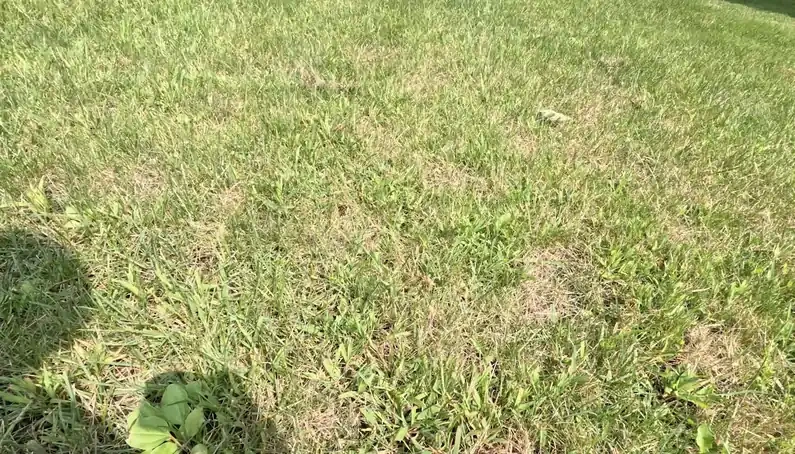
If crabgrass got past the pre-emergent window, or you’re taking over a lawn mid-season, post-emergent treatment is still an option, though results depend heavily on how mature the plants are.
| Crabgrass Stage | Treatability | Approach |
|---|---|---|
| Seedling to 3-leaf | Easiest to control | Single post-emergent application usually works |
| 3 to 5 tillers | Moderate | May need a second application 2–3 weeks later |
| Mature, multi-tillered (“gorilla” crabgrass) | Hardest to control | Multiple applications, some regrowth likely |
Quinclorac is the standard post-emergent herbicide for cool-season lawns like tall fescue and Kentucky bluegrass, and it controls crabgrass at nearly any growth stage, plus some broadleaf weeds like white clover and dandelion as a bonus. It needs actively growing, non-drought-stressed turf to work well, and treatments are more effective on clear days with moderate temperatures.
The honest truth: no herbicide is 100% effective, and even a correctly timed pre-emergent can have occasional “escapes” in thin or stressed turf. Mid-season, catching crabgrass small is what makes control realistic.
Why Some Lawns Get Crabgrass Every Year
Pre-emergent is only half the fix. Crabgrass exploits gaps and thin spots, it doesn’t invade dense, healthy turf. If the same areas break out every summer, the real cause is usually one of these:
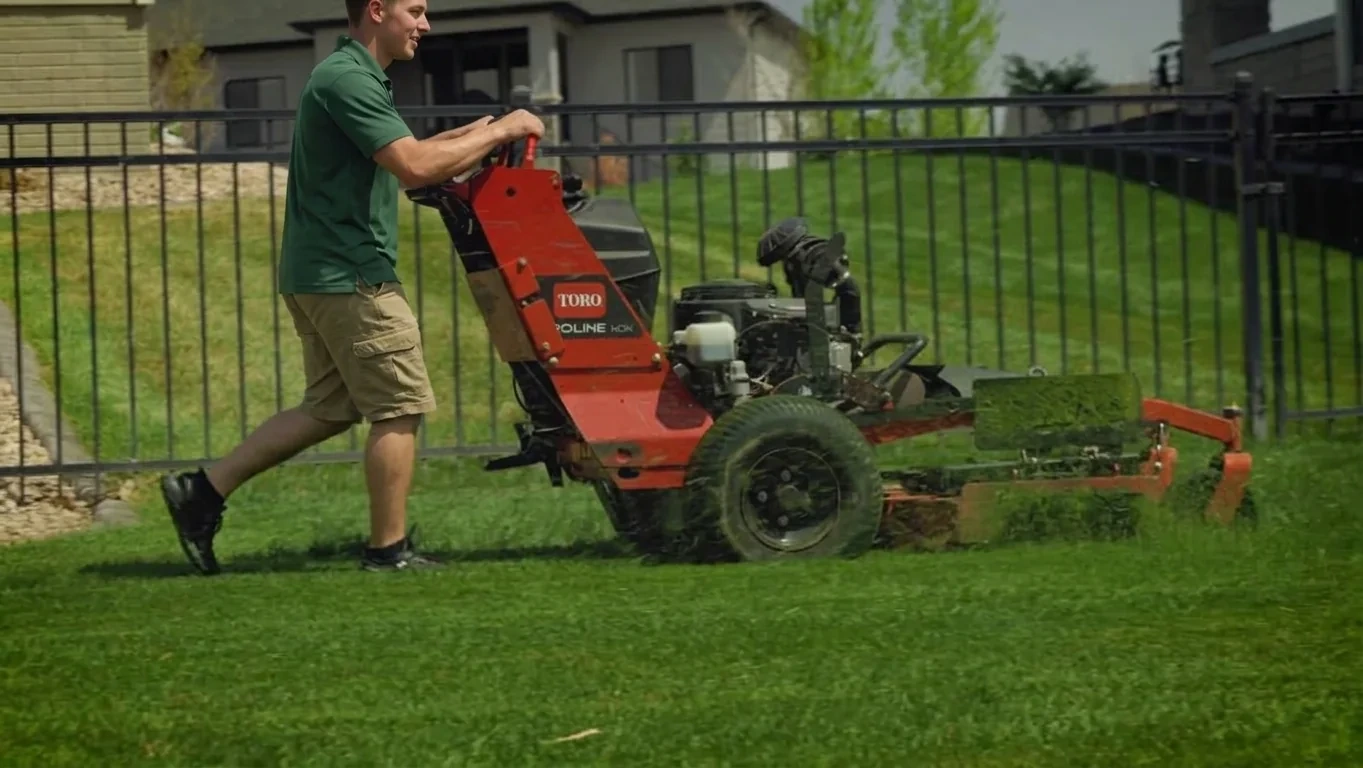
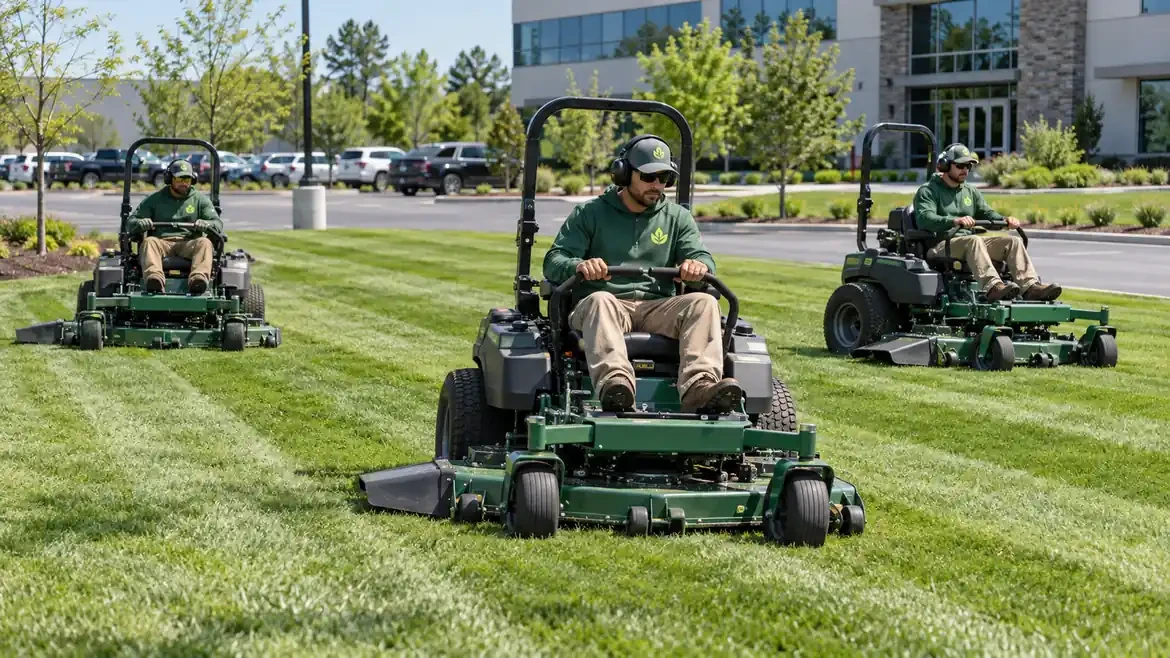
- Mowing too short. Cutting under 3 inches lets sunlight hit bare soil, which is exactly what crabgrass seed needs to germinate. Raising your mowing height to 3 to 3.5 inches is free crabgrass prevention.
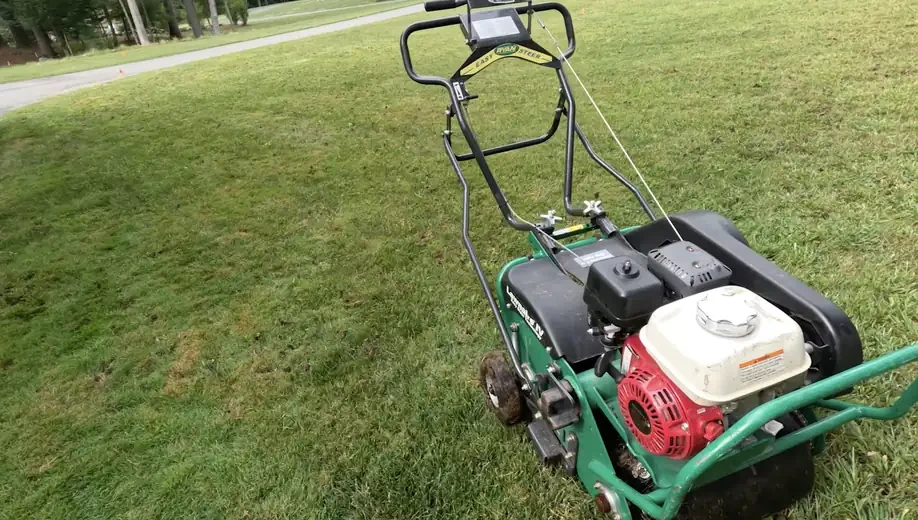
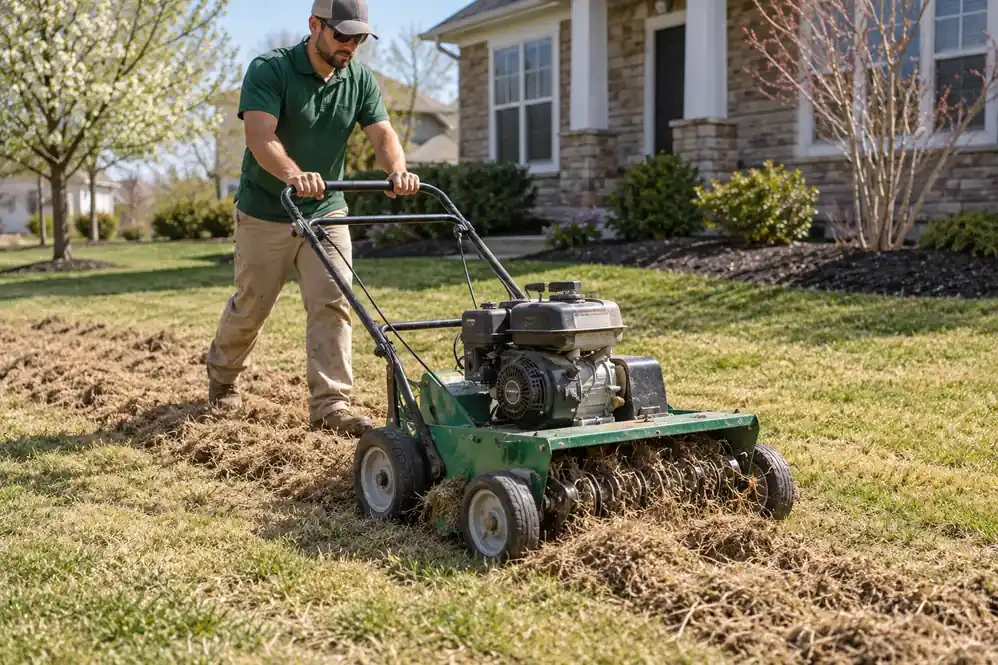
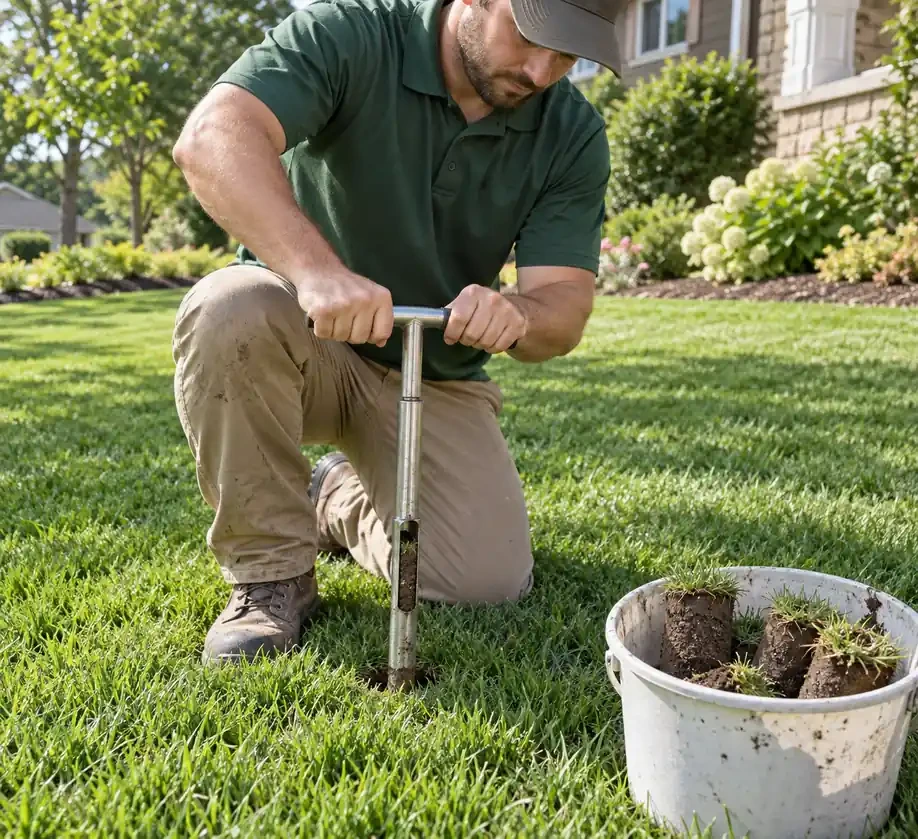
- Compacted clay soil. Lincoln’s heavy clay thins turf over time, opening the gaps crabgrass needs. Fall aeration addresses this directly.
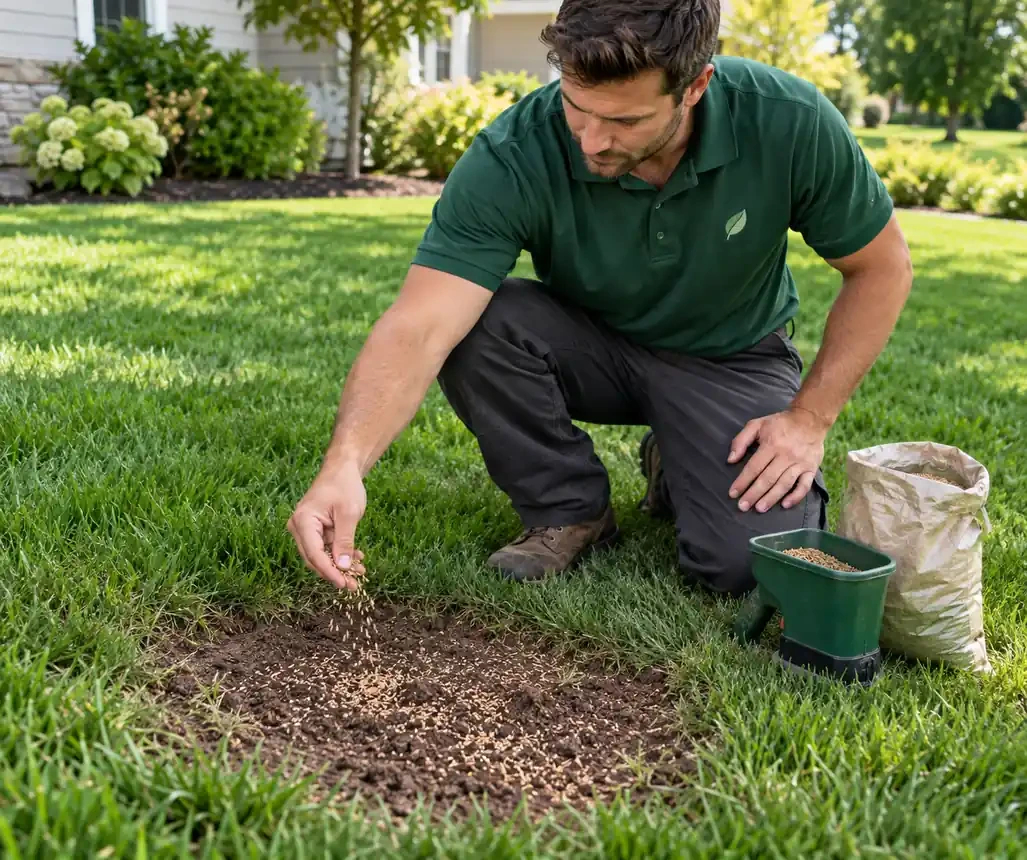
- Thin or bare turf from foot traffic, dog runs, or shade. These spots need overseeding, not just more herbicide.
- Sidewalk and driveway edges. Reflected heat off pavement warms adjacent soil faster, so these strips often need extra pre-emergent attention or a second application.
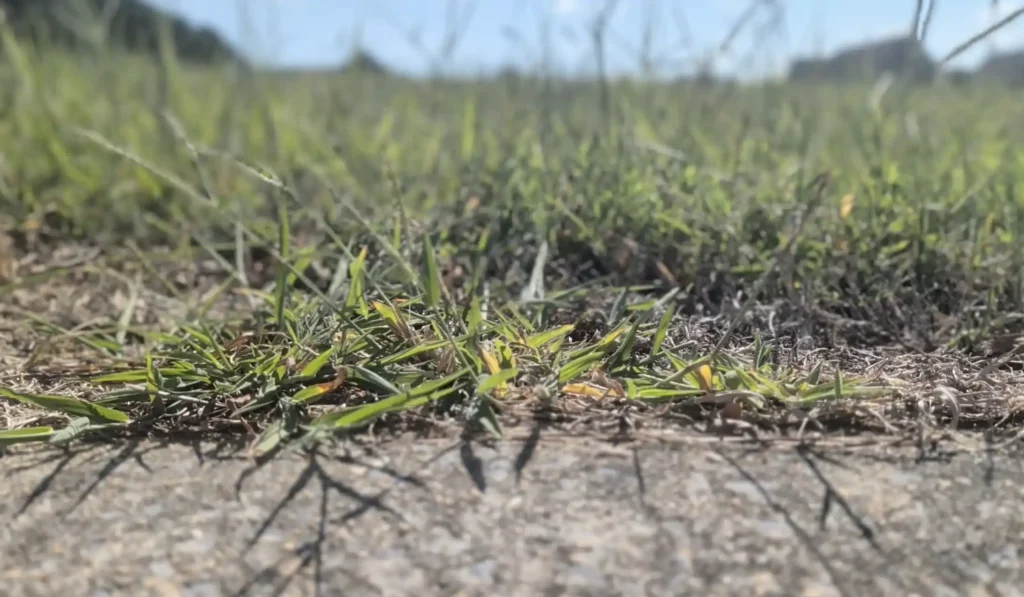
Where Crabgrass Shows Up Before the Rest of the Lawn
Driveway and sidewalk edges warm up faster than open turf, so crabgrass germinates there first, often weeks before it appears anywhere else in the yard. If you check one spot to know whether your pre-emergent window is closing, check the pavement edges.
Crabgrass Prevention Pricing in Lincoln
| Lawn Size | Single Application | Two-Application Program |
|---|---|---|
| Up to 4,000 sq ft | $45 – $60 | $85 – $110 |
| 4,000 – 6,000 sq ft | $60 – $75 | $110 – $140 |
| 6,000 – 9,000 sq ft | $75 – $90 | $140 – $170 |
| 9,000 – 12,000 sq ft | $95 – $115 | $175 – $215 |
Crabgrass prevention is also included in our full fertilization and weed control program. We quote it standalone if that’s all you need this season.
Crabgrass Prevention FAQs
When should pre-emergent be applied in Lincoln, NE?
Before soil temperature reaches 50 to 55°F at a 2-inch depth, generally late March to mid-April in Lincoln. Because timing shifts year to year with the weather, we track actual soil temperature rather than a fixed date.
How long does pre-emergent last?
Most products remain effective for 6 to 10 weeks. Since Nebraska’s germination window often runs longer than that, a second application in late May to early June extends coverage and is worth it for lawns with a history of crabgrass.
Can I still treat crabgrass once it’s already growing?
Yes, with post-emergent herbicide, but the earlier you catch it the better. Seedling crabgrass with a few leaves is far easier to control than mature, multi-tillered plants, which need repeat applications and sometimes never fully clear that season.
Will pre-emergent stop me from overseeding?
Yes, pre-emergent doesn’t distinguish between crabgrass seed and grass seed. If you’re planning to overseed, that timing has to be coordinated around your pre-emergent schedule, which we plan for you.
Does mowing height actually affect crabgrass?
Significantly. Taller grass shades the soil surface, which blocks the light crabgrass seed needs to germinate. Mowing at 3 to 3.5 inches is one of the simplest, most effective things you can do alongside any herbicide program.
Why did I get crabgrass even though I used a pre-emergent last year?
Usually one of three reasons: the application went down after soil temperatures had already warmed, the barrier broke down before the germination window closed, or the affected areas were thin turf that needs aeration and overseeding rather than just more herbicide.
Is crabgrass control safe for my lawn if I’m also seeding this fall?
Yes. Spring pre-emergent for crabgrass has no bearing on fall overseeding, since it breaks down well before August. The conflict only comes up with spring or summer seeding.