
Lawn Fertilization & Weed Control in Lincoln, NE
Want a thick green lawn that crowds weeds out on its own? Our fertilization and weed control program feeds your Lincoln lawn at the four points in the year when cool-season grass can actually use it, and applies pre-emergent before crabgrass ever germinates. Everything is timed to real Nebraska soil temperatures, not a generic national calendar. Season programs typically run a few hundred dollars depending on lawn size.
Why Timing Beats Product Every Time
Most Lincoln lawns don’t have a product problem. They have a timing problem. Pre-emergent applied on a fixed date like “April 1” is a gamble. In a warm Nebraska spring it’s already too late. In a cold one it breaks down before crabgrass even wakes up.
The actual trigger is soil temperature. Crabgrass germinates when soil hits about 50 to 55°F at a 2-inch depth and holds there for several consecutive days. In Lincoln that usually lands late March to mid-April, but Lancaster County sees wide year-to-year swings.
We watch soil temperature data from the University of Nebraska–Lincoln rather than a calendar. That one habit is the difference between a clean lawn in July and a patchy one.
Field tip: if forsythia is blooming in your neighborhood, crabgrass germination is likely starting. Not precise, but a useful local indicator.
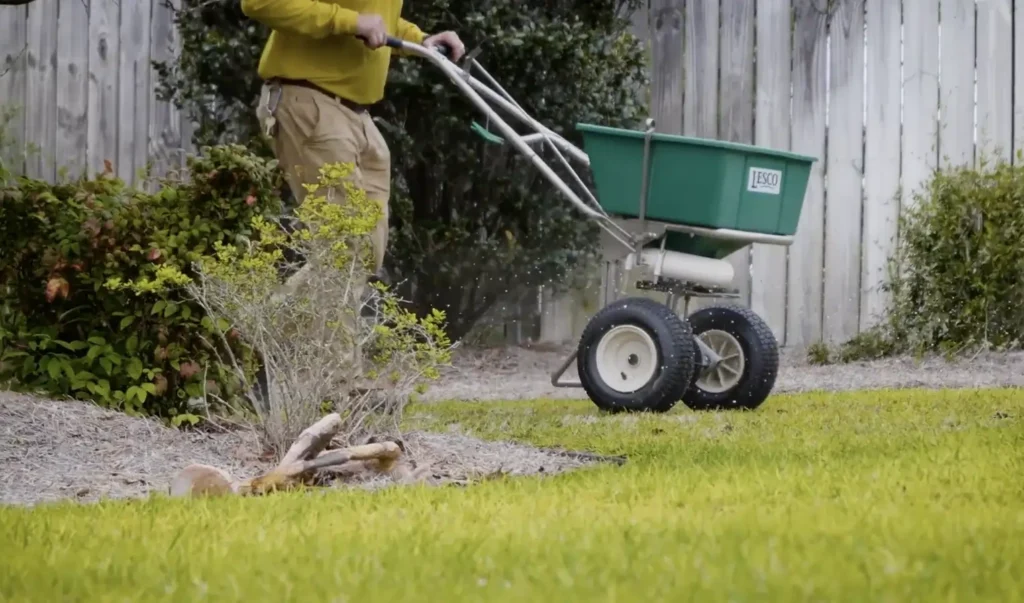
Our Fertilization Schedule for Lincoln Lawns
Nebraska Extension’s guidance for cool-season turf is clear about when nitrogen actually helps. Here’s the schedule we follow, matched to eastern Nebraska:
| Timing | Nitrogen Rate (per 1,000 sq ft) | What It Does |
|---|---|---|
| April 15 – 25 | 0 to 0.5 lb | Light spring green-up, paired with pre-emergent |
| May 25 – June 5 | 0.5 to 0.75 lb | Feeds through late spring growth |
| Aug 25 – Sept 5 | 0.5 to 0.75 lb | Recovery from summer stress |
| Sept 15 (key application) | 0.5 to 1 lb | Most important feeding of the year |
| Oct 15 – Nov 1 | 0 to 0.25 lb | Winterizer, builds root reserves |
September is the most important month to fertilize a cool-season lawn in Nebraska. It drives root development for next spring and increases density this fall. Homeowners who only fertilize in spring are feeding at the least useful time of year.
Nitrogen Is What Matters Here
Most Nebraska soils already supply the other nutrients your lawn needs. Kentucky bluegrass and tall fescue are nitrogen hogs, so nitrogen is the lever that moves color and density. We use a blend of quick-release and slow-release so you get visible response plus steady feeding for weeks after.
How Your Lawn Tells You What It Needs
- White clover or rust disease showing up → lawn is short on nitrogen
- Brown patch or pythium showing up → lawn is getting too much annual nitrogen
We read these signals on-site instead of applying the same blanket rate to every yard.
Weed Control for Lincoln Lawns
Two very different weed types need two very different approaches:
Annual Grassy Weeds (Prevention)
Crabgrass, foxtail, spurge. These come back from seed every year, so prevention beats treatment. Pre-emergent forms a barrier that stops seeds from germinating. Once crabgrass is up and growing, pre-emergent does nothing to it.
Broadleaf Weeds (Treatment)
Dandelions, white clover, plantain, henbit, thistle. These are treated with post-emergent herbicide. Fall (mid-September to late October) is actually the best window for perennial broadleaf control, because the plant is pulling energy down into its roots and carries the product with it.
Nutsedge (Special Case)
Don’t pull it. The underground nutlets stay behind and the disturbed soil encourages more growth. It needs a sedge-specific treatment.
| Weed | Type | Best Control Window |
|---|---|---|
| Crabgrass | Annual grassy | Pre-emergent, late March – mid April |
| Foxtail | Annual grassy | Pre-emergent, same window |
| Dandelion | Broadleaf perennial | Fall, Sept – Oct |
| White Clover | Broadleaf perennial | Fall, also signals low nitrogen |
| Spotted Spurge | Annual broadleaf | Pre-emergent + summer spot treatment |
| Nutsedge | Sedge | Summer, sedge-specific product |
| Henbit | Winter annual | Fall pre-emergent, Sept – Oct |
What Watering In Actually Means
This is the step most DIY applications skip. Granular pre-emergent and fertilizer need water to move the active ingredient into the soil, typically about half an inch of irrigation or rainfall within 24 to 48 hours of application.
Lincoln springs are unpredictable. Some Aprils deliver steady rain, others go dry for two weeks. We check the forecast, and we tell you exactly when and how much to water after every visit. If no rain is coming, you water it in.
🧱 Clay Soil Complication
Lincoln’s heavy clay can form a surface crust that blocks water penetration. If your lawn has compacted areas, aeration before application meaningfully improves both activation and results.
Fertilization Beyond Chemicals
A dense lawn is the best weed control there is. Crabgrass doesn’t invade healthy turf, it invades the gaps. That’s why our program pairs with the basics that actually matter:
- Mowing at 3 to 3.5 inches to shade out germinating weed seed
- Fall core aeration to fix clay compaction so roots can actually use the nutrients
- Returning clippings for free recycled nitrogen
- Deep, infrequent watering (about 1 inch per week) rather than daily light watering
Commercial and HOA Turf Programs
HOA common areas, apartment grounds, and commercial lots run on the same Nebraska calendar as a home lawn, but the stakes are different. These are the first thing residents, tenants, and customers see, and thin or weedy turf at an entrance is noticed immediately.
What changes on a commercial program:
- Scale pricing. Larger properties are quoted per acre or on an annual contract rather than per application.
- Documented applications. Nebraska requires commercial applicators to record each application within 48 hours and retain records for at least three years. We provide that documentation to property managers and HOA boards as a matter of course.
- Board and budget cycles. HOA and commercial budgets are set annually, so we quote the full season up front rather than service by service.
- Priority on visible turf. Entrances, signage beds, and common-area frontage get the tightest weed-control attention, because that is where problems get reported.
See our Commercial Lawn Care in Lincoln, NE page for details.
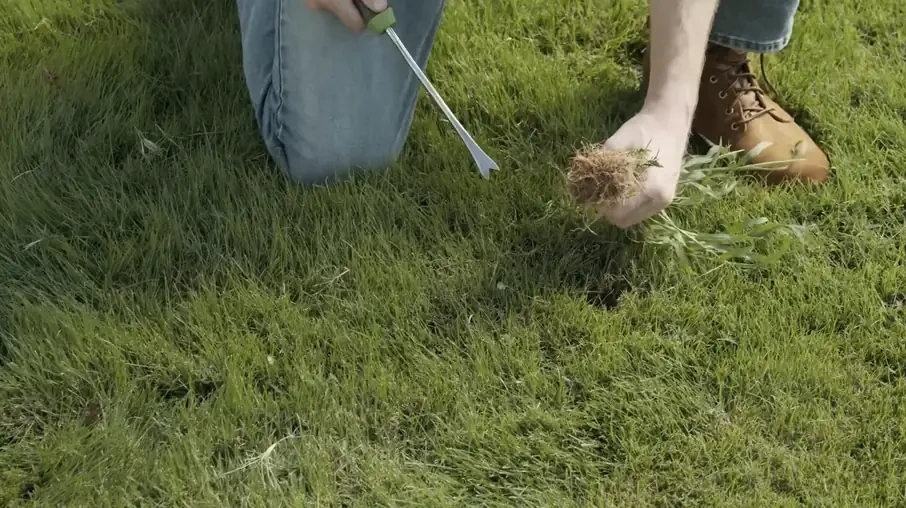
Fertilization & Weed Control Pricing in Lincoln
| Lawn Size | Per Application | Full Season Program |
|---|---|---|
| Up to 4,000 sq ft | $55 – $70 | $250 – $320 |
| 4,000 – 6,000 sq ft | $70 – $85 | $300 – $400 |
| 6,000 – 9,000 sq ft | $85 – $100 | $380 – $480 |
| 9,000 – 12,000 sq ft | $110 – $130 | $450 – $550 |
Local Lincoln programs typically total $250 to $500 for the season. Single fertilization visits generally run $44 to $133, and standalone weed control around $75 to $89. We quote your actual lawn, not a bracket.
Get My Free QuoteFertilization & Weed Control FAQs
When should pre-emergent be applied in Lincoln, NE?
Before soil temperature reaches 50 to 55°F at a 2-inch depth, which in Lincoln typically falls late March to mid-April. Because Nebraska springs vary widely year to year, we monitor actual soil temperature data instead of applying by date.
What if I missed the pre-emergent window?
You’re not out of options. Very early in germination, products with limited post-emergent activity can still help. Once crabgrass is visibly growing, you switch to post-emergent treatment, which works best on young plants with fewer than five tillers. After that, the goal shifts to limiting seed spread and committing to proper timing next spring. Crabgrass is an annual, it dies with the first frost.
When is the most important time to fertilize a lawn in Nebraska?
September. Fall fertilization promotes root development, builds sugar reserves for winter, and increases density. It matters more than spring feeding for cool-season grass.
How many times per year should a Lincoln lawn be fertilized?
Most cool-season lawns here do well with four to five applications spread across the year, totaling roughly 2 to 3 pounds of nitrogen per 1,000 sq ft annually. Older, established lawns often need less than newer ones.
Can I overseed and apply pre-emergent at the same time?
No. Pre-emergent stops grass seed from germinating just like it stops crabgrass. Seeding and pre-emergent timing have to be coordinated, which is one of the most common DIY mistakes we fix.
Is the treatment safe for pets and kids?
Follow the re-entry guidance we leave after each visit. Granular applications typically dry and settle quickly, and we leave a placard with the specifics for that product.
Why do I still have weeds after a treatment?
Broadleaf weeds sprayed in summer heat often rebound, which is why fall is the stronger window. Persistent pressure usually points to thin turf, compacted clay, or mowing too short, and we address those causes rather than just re-spraying.
You Might Also Need
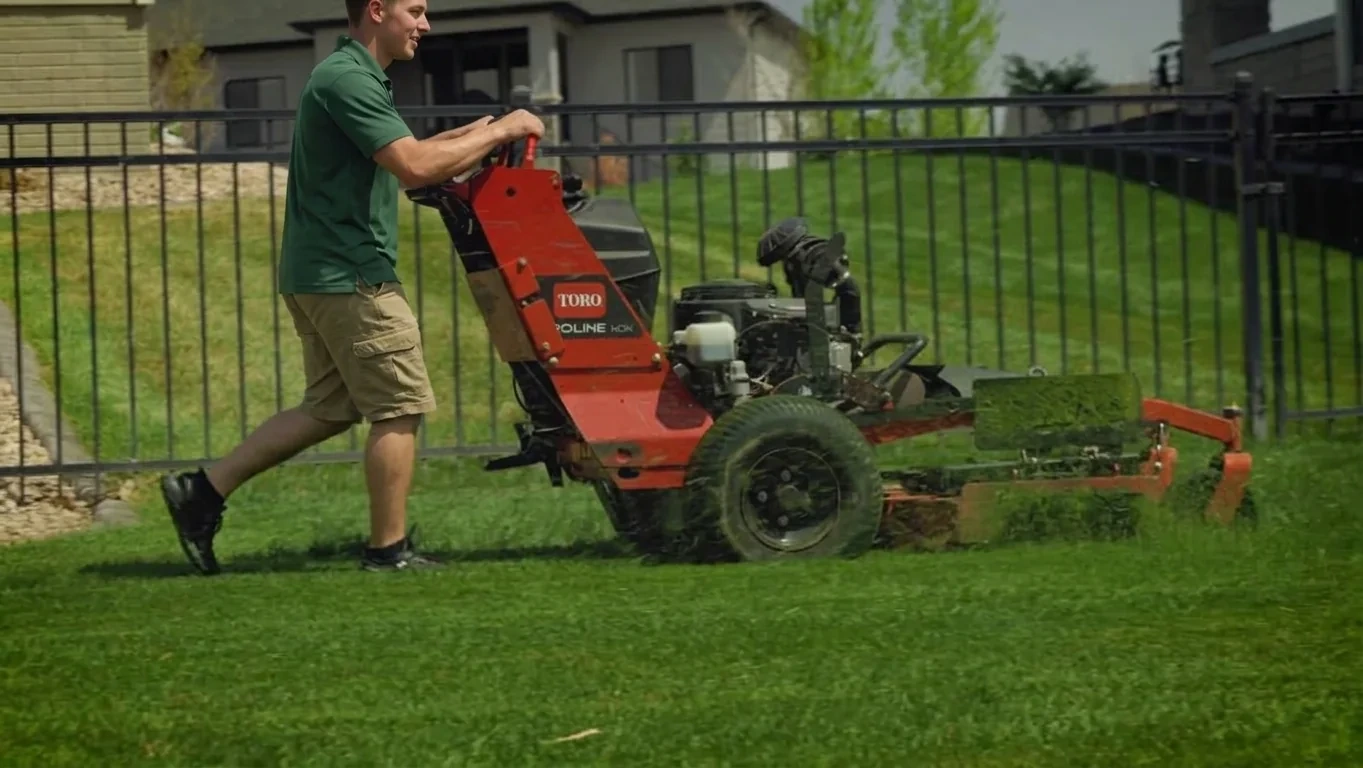 Lawn Mowing
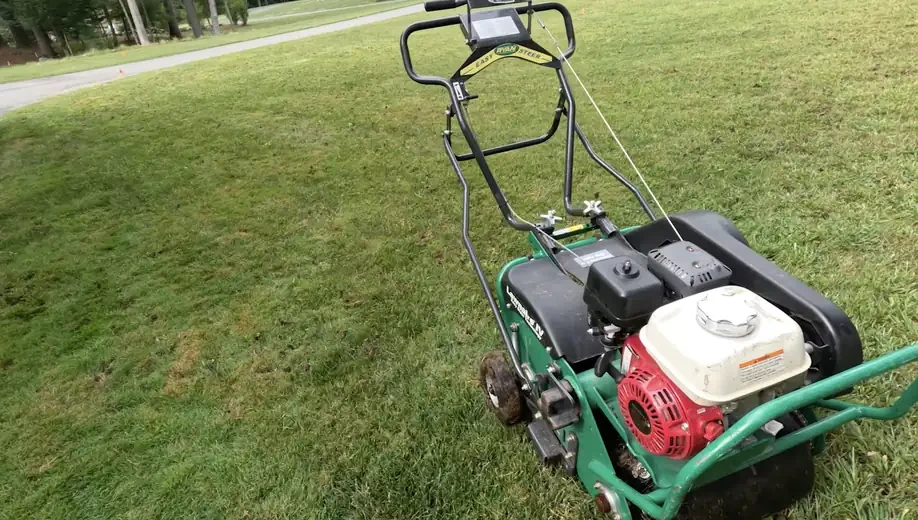 Aeration & Overseeding
 Crabgrass Prevention
 Grub Control
 Spring Cleanup
 Fall Cleanup
 Snow Removal
 Lawn Care Programs & Pricing
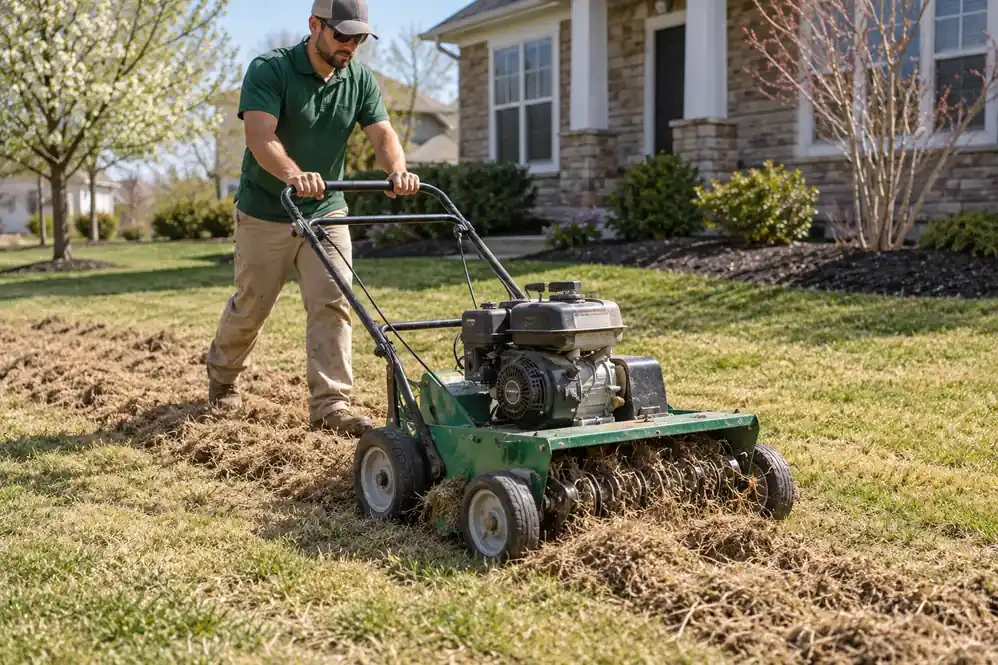 Dethatching
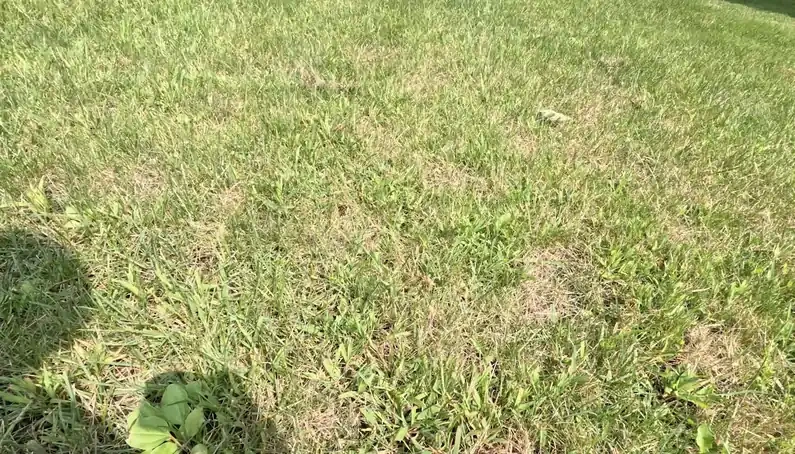 Lawn Disease & Fungus Treatment
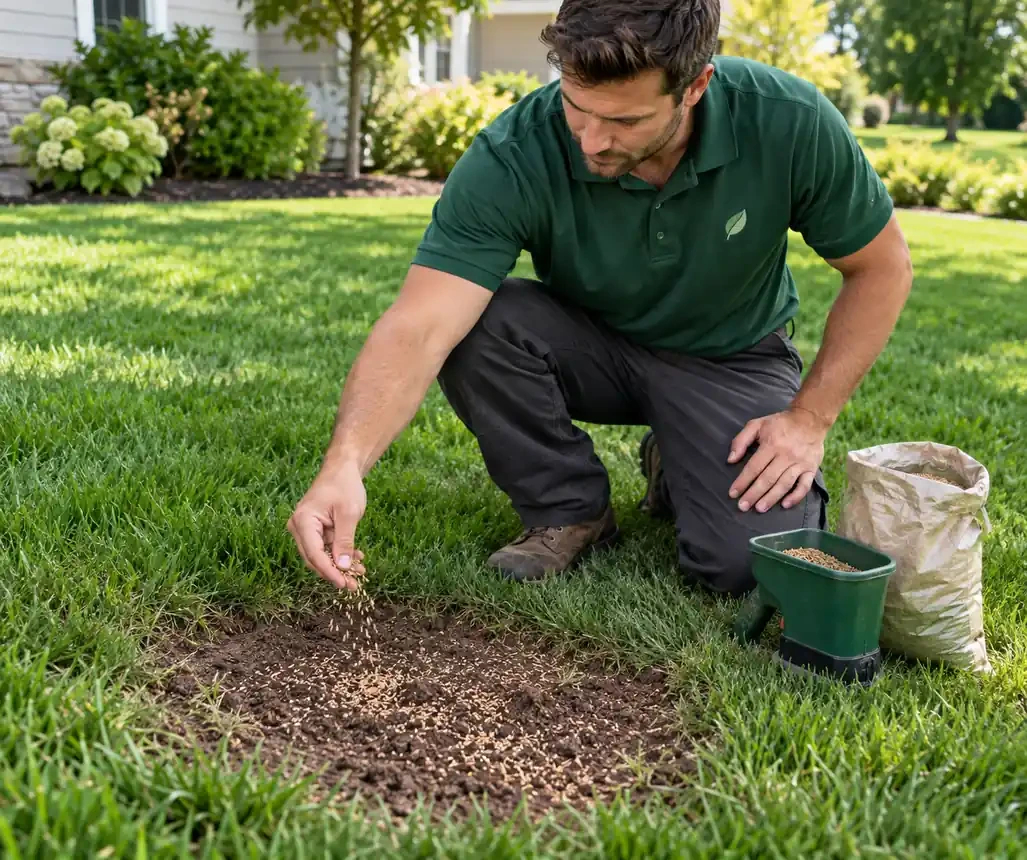 Lawn Repair & Bare Spot Repair
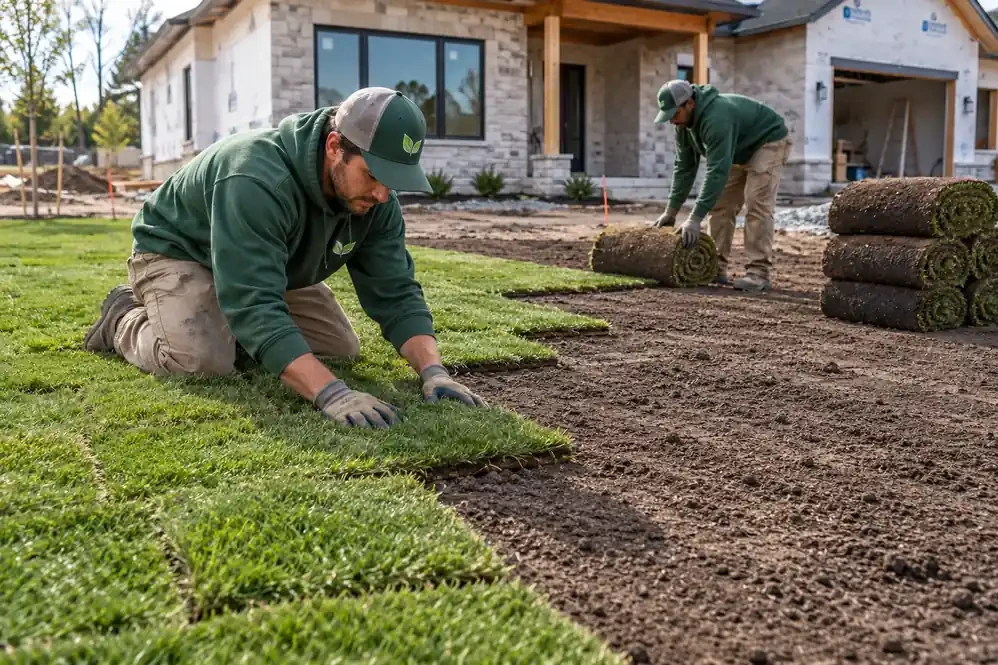 New Lawn & Sod Installation
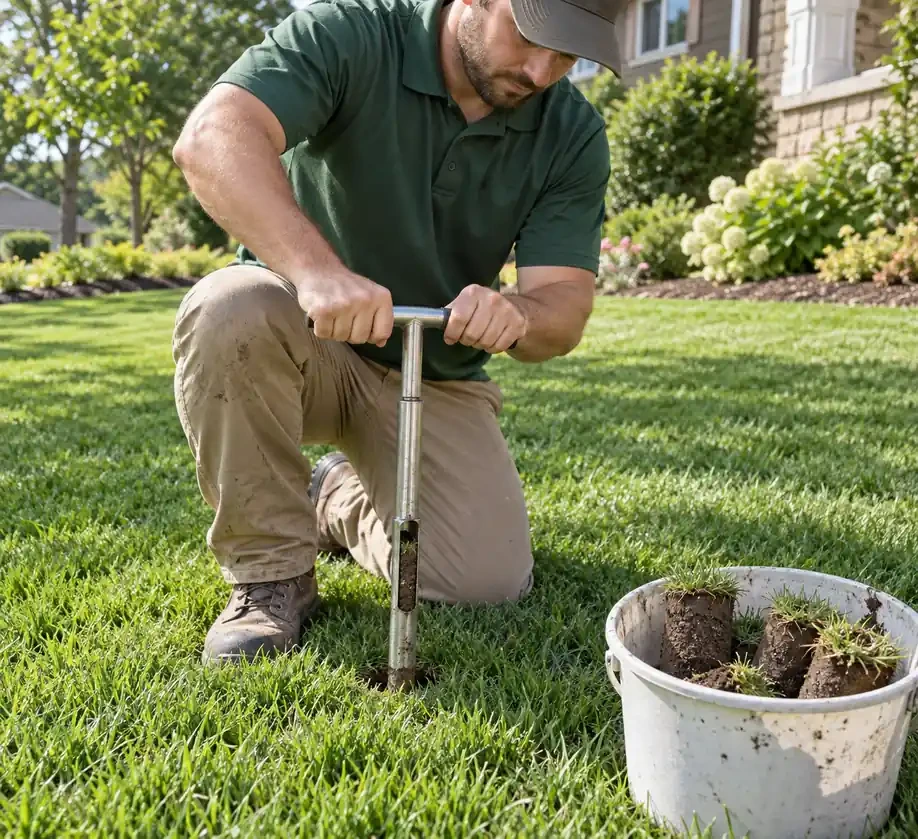 Soil Testing & pH Management
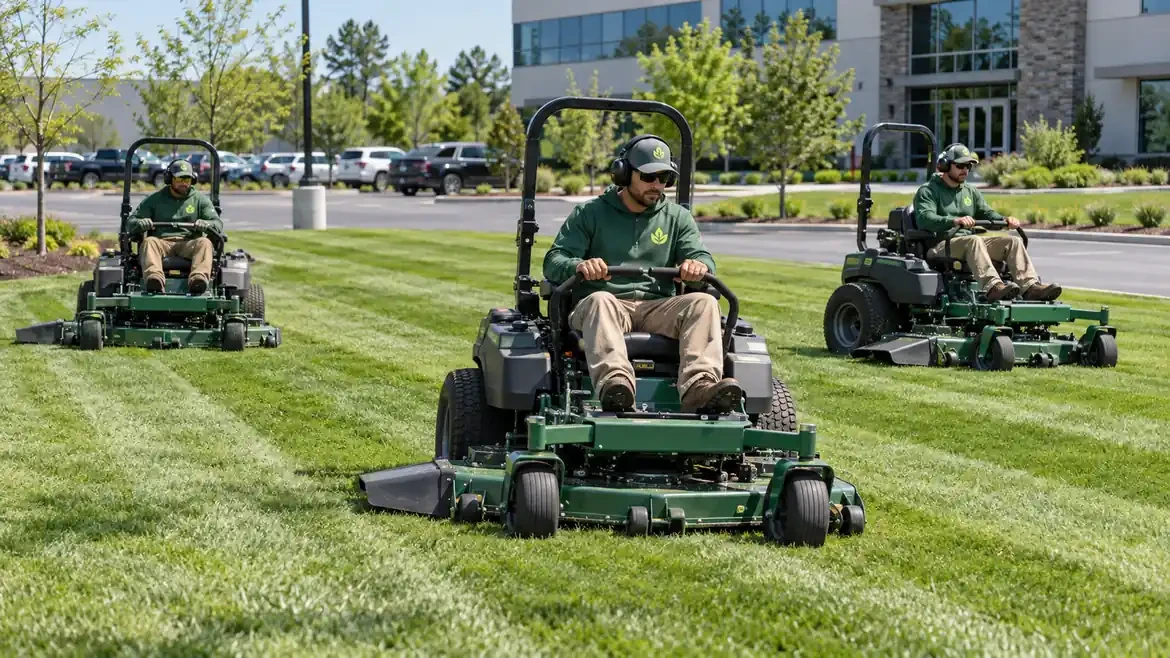 Commercial Lawn CareLawn MowingAeration & OverseedingCrabgrass PreventionGrub ControlSpring CleanupFall CleanupSnow RemovalLawn Care Programs & PricingDethatchingLawn Disease & Fungus TreatmentLawn Repair & Bare Spot RepairNew Lawn & Sod InstallationSoil Testing & pH ManagementCommercial Lawn Care
Want a Lawn Thick Enough to Fight Weeds on Its Own?
Get your free program quote.